How to Help Children Learn About the Environment (6 Easy Ideas + Free Printable)
Looking for easy ways to help children learn about the environment?
It doesn’t need to be complicated. If you’re not sure where to start, this is a good way to think about it:
- help them notice what’s going on around them
- help them see that actions can make a difference
- give them a few simple ways to help
Here are some quick, easy environmental activities to try at home.
They also work well if you’re looking for activity ideas for Earth Day, World Environment Day or Climate Week.
Pick an idea to try:
- The energy use hunt
- Dirty water rescue – a simple water pollution experiment
- What’s actually in our bin? – a quick recycling activity
- What happens when trees disappear?
- Build a micro habitat – exploring animal habitats
- Free Recycling Activity Pack
These ideas are designed to help children learn about the environment in a way that feels simple and real.
1. The Energy Use Hunt
Energy gets used even when we’re not really thinking about it.
This is an easy way to spot it in action…
Send them on a quick mission to find:
- lights left on
- things left on standby
- plugs switched on
- chargers left plugged in
- can they find anything else using energy?
Give them a point for each one they turn off.
Or, if you have a smart meter, see how far you can get it down.
You could talk about where the energy comes from to run these things. Some energy sources can run out, others can be replaced, but all of them take resources to produce.
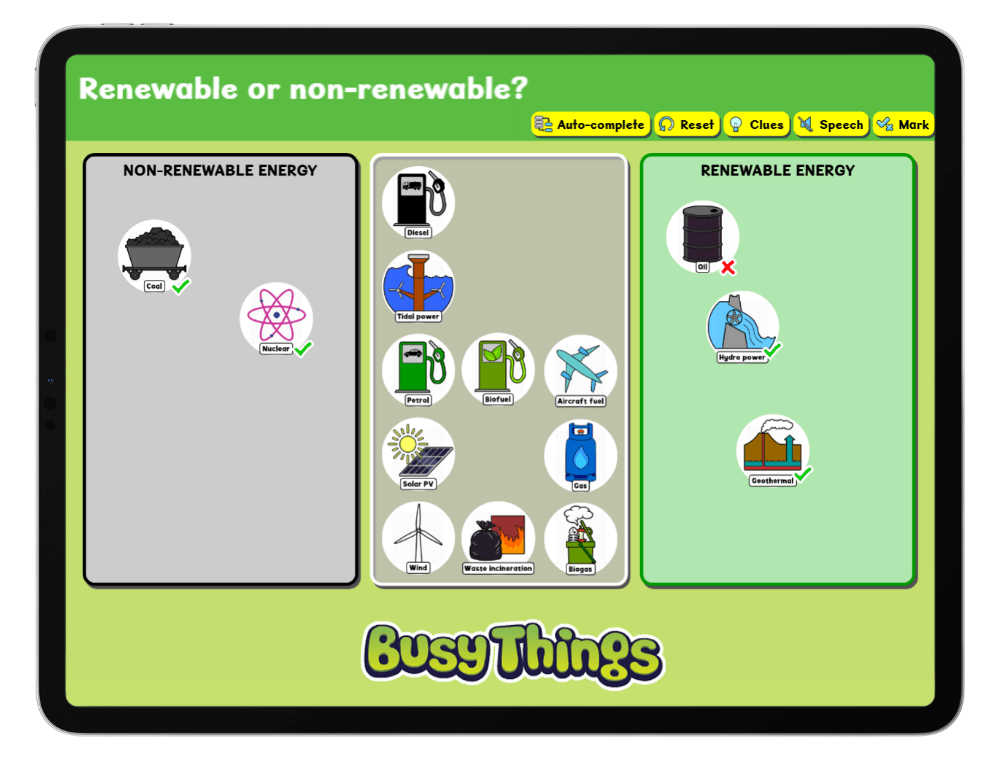
Try the Renewable vs Non-renewable Energy Activity to help make sense of where energy comes from.
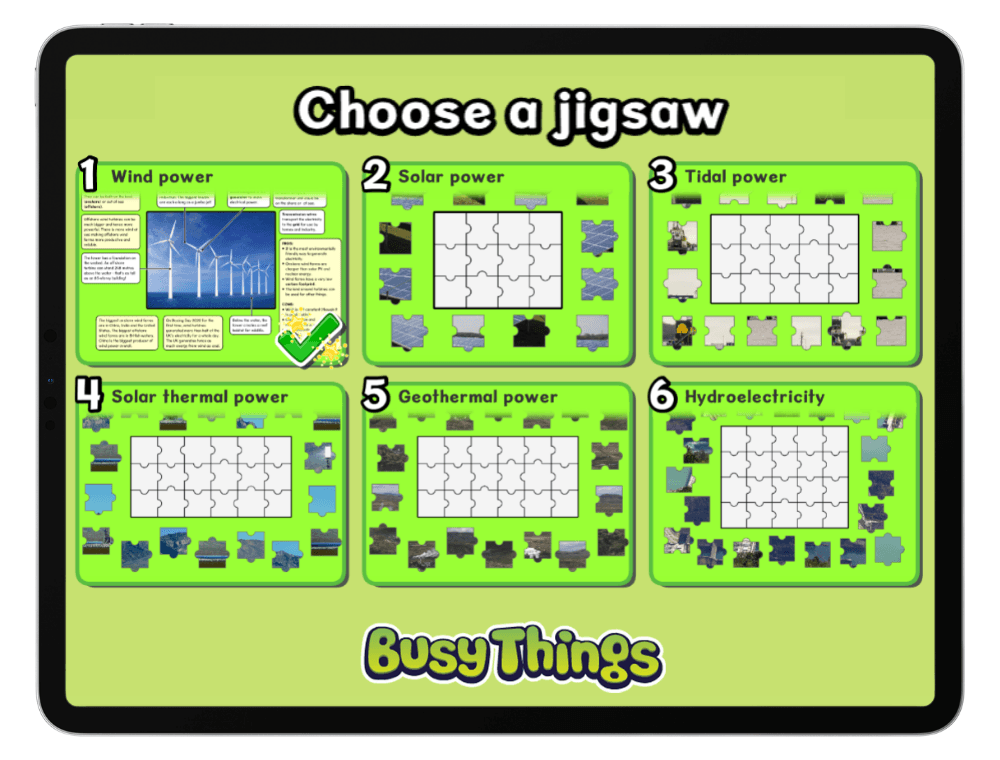
Generating electricity jigsaws show how electricity can be made from renewable and non-renewable sources (water, wind, coal, rubbish etc). Complete them to reveal key facts.
2. Dirty Water Rescue – a simple water pollution experiment
Once water gets polluted, it’s not easy to clean again.
This is a simple way for children to see that for themselves…
Start with clean water, then add a few of these and give it a good swirl:
- soil
- crumbs
- a drop of washing-up liquid or soap
- a tiny bit of oil
- small bits of plastic or torn paper
Now try to clean it using whatever you have – spoons, sieves, kitchen roll.
Is it harder than they expected?
Pollution in rivers and oceans doesn’t just disappear, and cleaning it properly takes time and effort.
You could talk about what lives in water — fish, insects, plants — and how pollution might affect them.
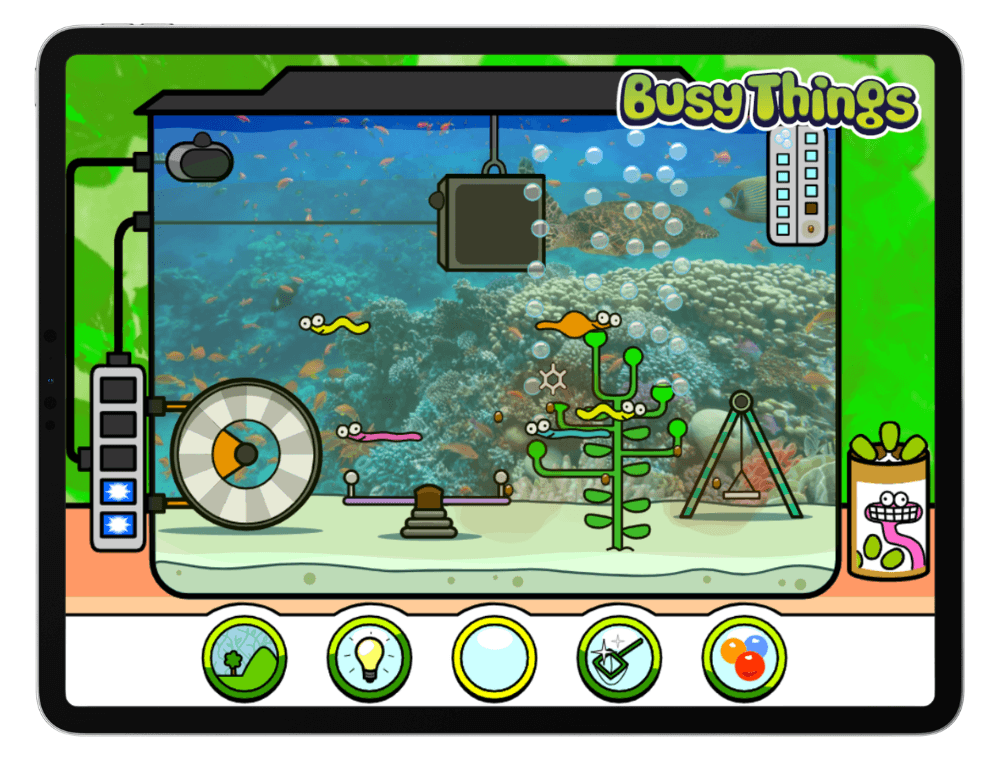
Try Eco Worm World and see what helps the worms survive and thrive – how long you can keep the worms happy?
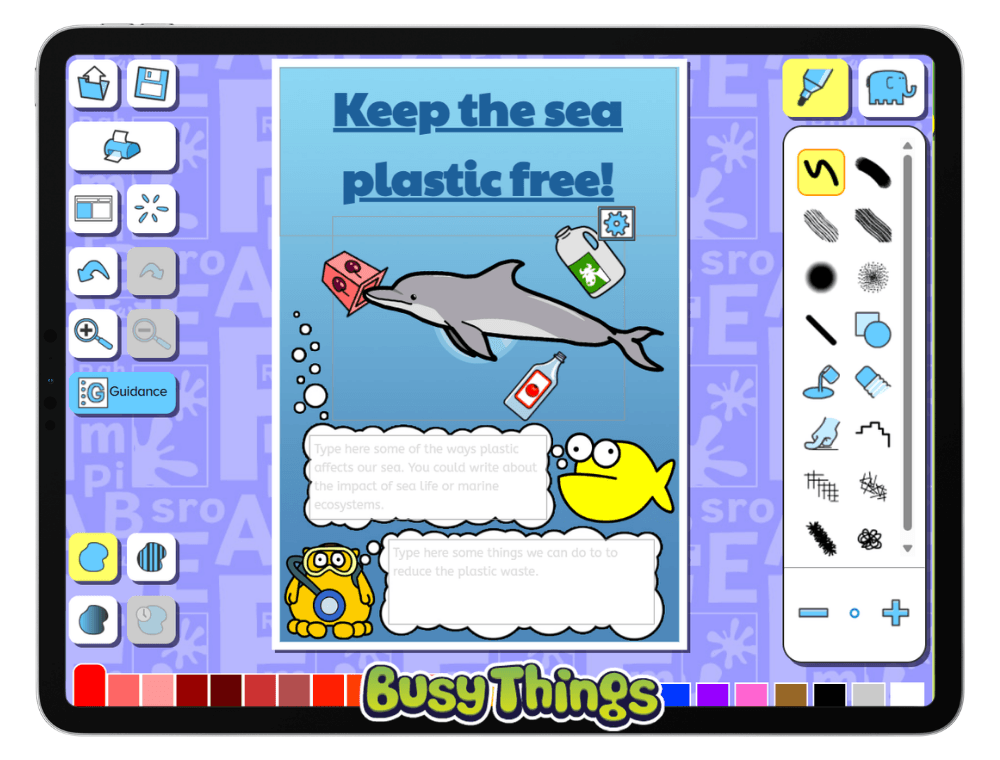
Create a plastic in the oceans poster.
3. What’s Actually in Our Bin?
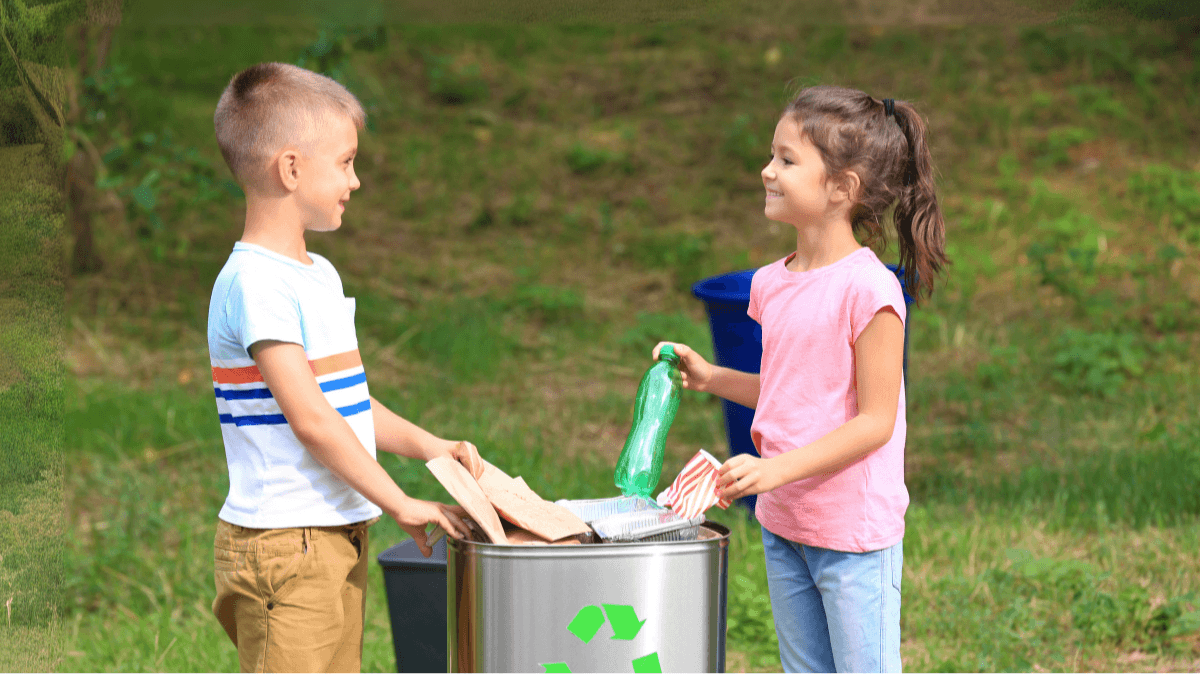
We throw things away all day without really noticing what’s building up.
This is a good way to make it visible and start conversations about waste and recycling.
Take a look through your bins and sort what you find into:
- food
- plastic
- paper
- not sure
You might find one thing shows up more than expected.
You could talk about what happens to each of these things next. Some break down quickly, others stick around for years, which is why reducing and recycling both matter.
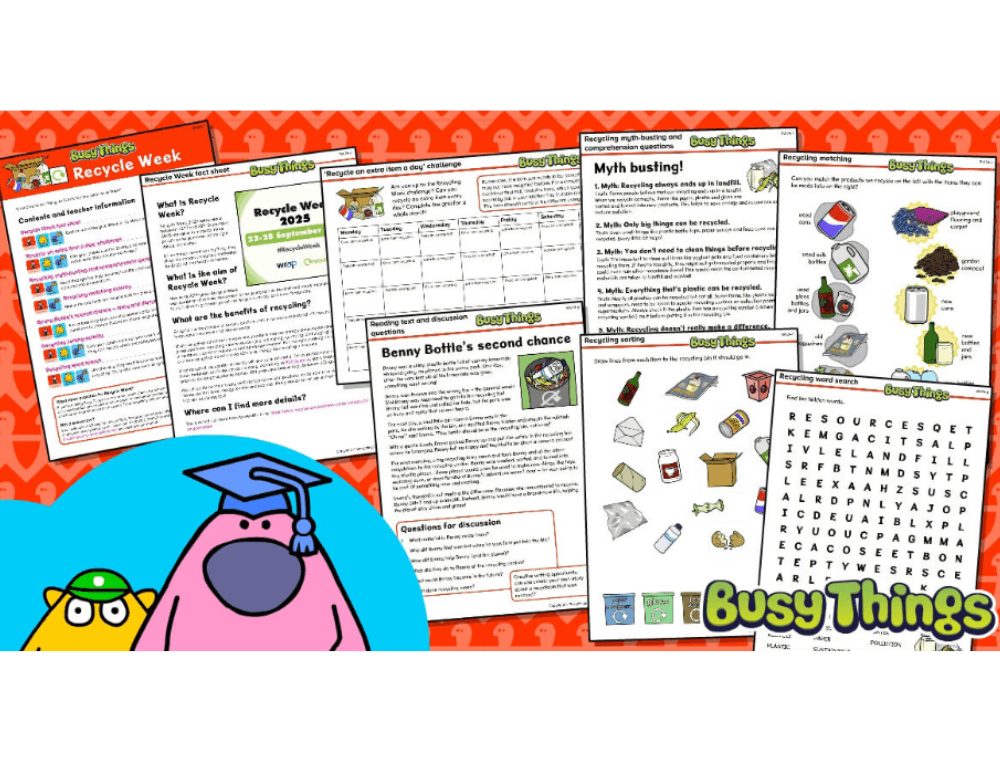
If you want something ready-made to build on this: We’ve put together a free recycling activity pack with sorting activities, simple challenges and a few facts to help make sense of it all. You can download it further down the page.
Other easy waste ideas to try:
- Keep a simple food waste jar for a day or two and see how much builds up
- Pick a few items and guess how long they take to break down, then look it up (a plastic bottle can take around 400 years, while a banana peel might take just a few weeks)
- Do a quick litter pick — or join a local group — and sort what you find
4. What happens when trees disappear?
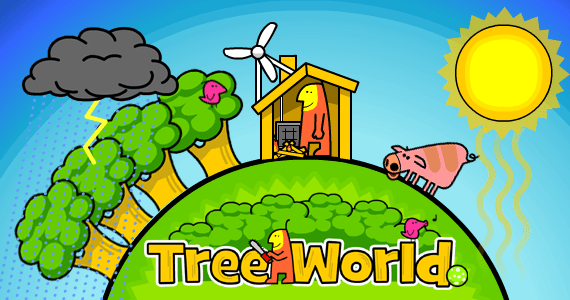
Cutting down trees doesn’t just affect one thing — it sets off a whole chain reaction.
This is a simple, fun way to see how everything is connected.
Open up Tree World and have a play.
See if they can create a balanced planet where the Beeples can happily co-exist with Tree World’s plants and animals.
Try:
- cutting down trees
- building things with the wood
- adding moopigs and fruit trees for food
- planting more trees to keep things sustainable
- noticing how the weather changes if things get out of balance
Watch what happens — it doesn’t take long before things start to shift.
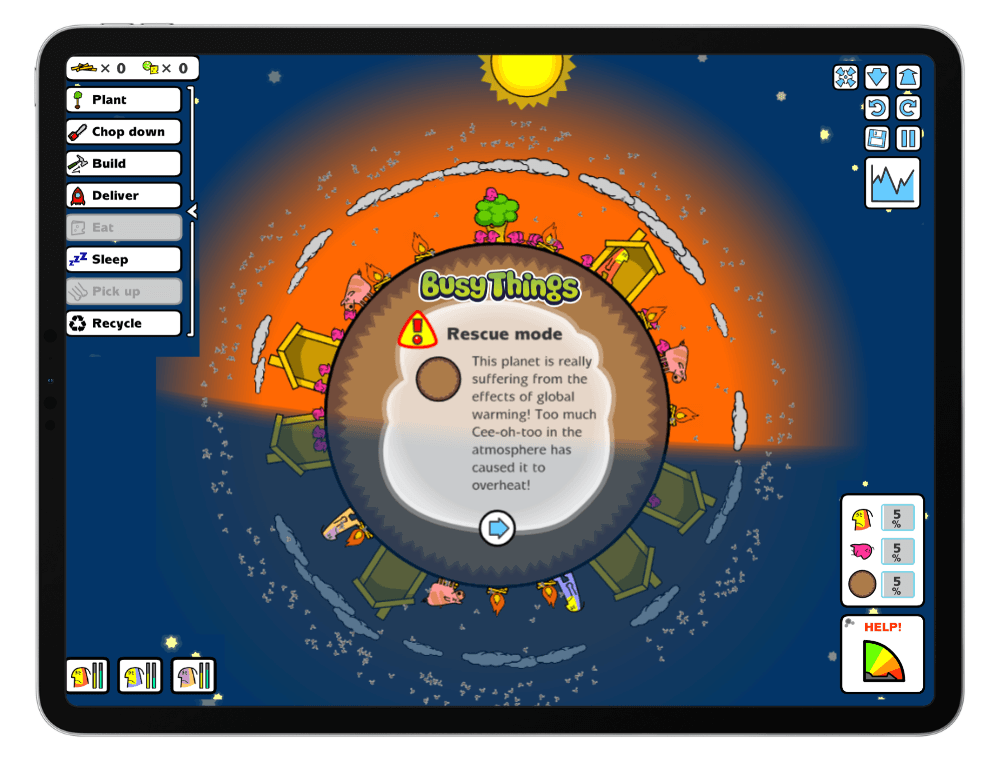
Children can learn about the environment in this climate change simulation game.
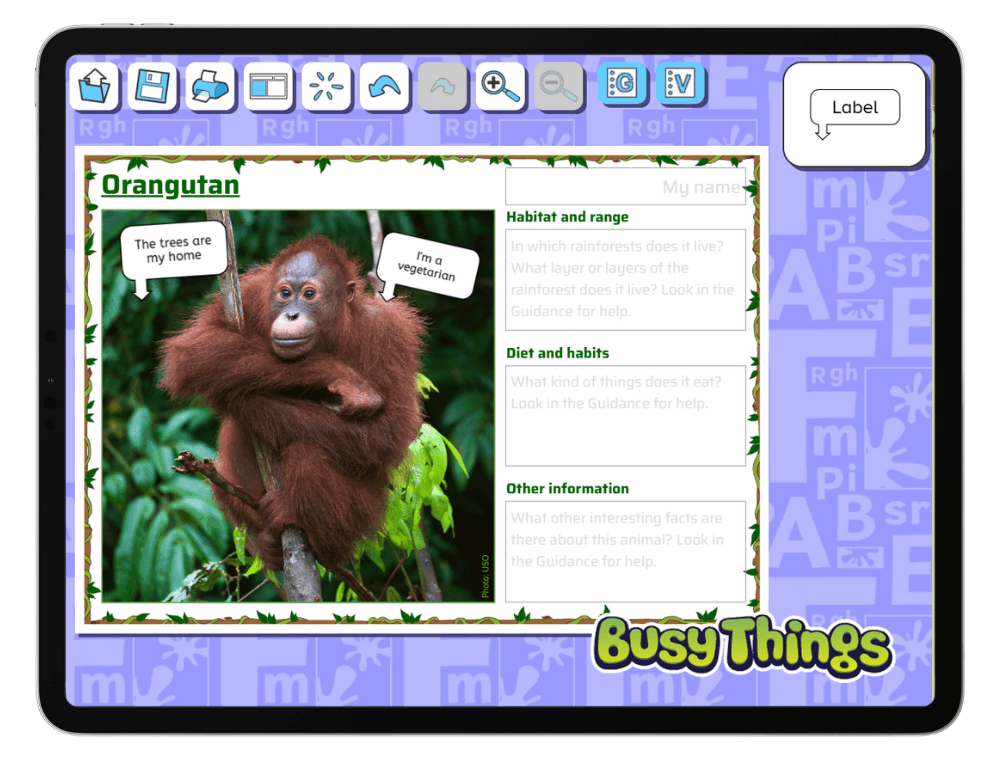
There’s also a whole section of rainforest activities on Busy Things if you’d like to explore this further.
5. Build a Micro Habitat
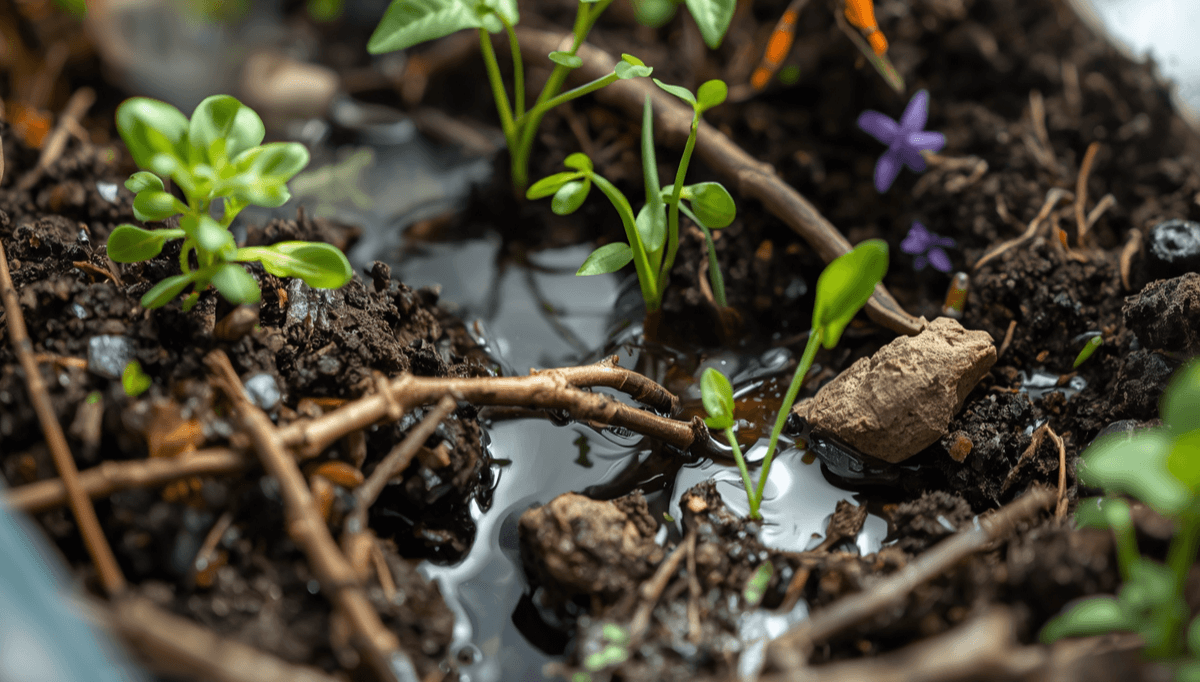
Living things depend on their environment being right, and small changes can have a big impact.
This is a hands-on way to see what that actually means.
Create a small habitat in a tray, box or outside space using:
- soil
- leaves
- sticks
- a little water
Then pick an animal – a toy, a picture or just one in your head – and test it out: would it survive there?
Now change one thing:
- take away the water
- remove the shelter
- make it more exposed
What happens?
See if they can improve the habitat:
- does it need more shelter?
- more water?
- somewhere to hide?
You can tweak it as you go and see what makes it “work”.
You could link this to real life – habitats change when trees are cut down, land is built on or the climate shifts and animals have to adapt, move or don’t survive.
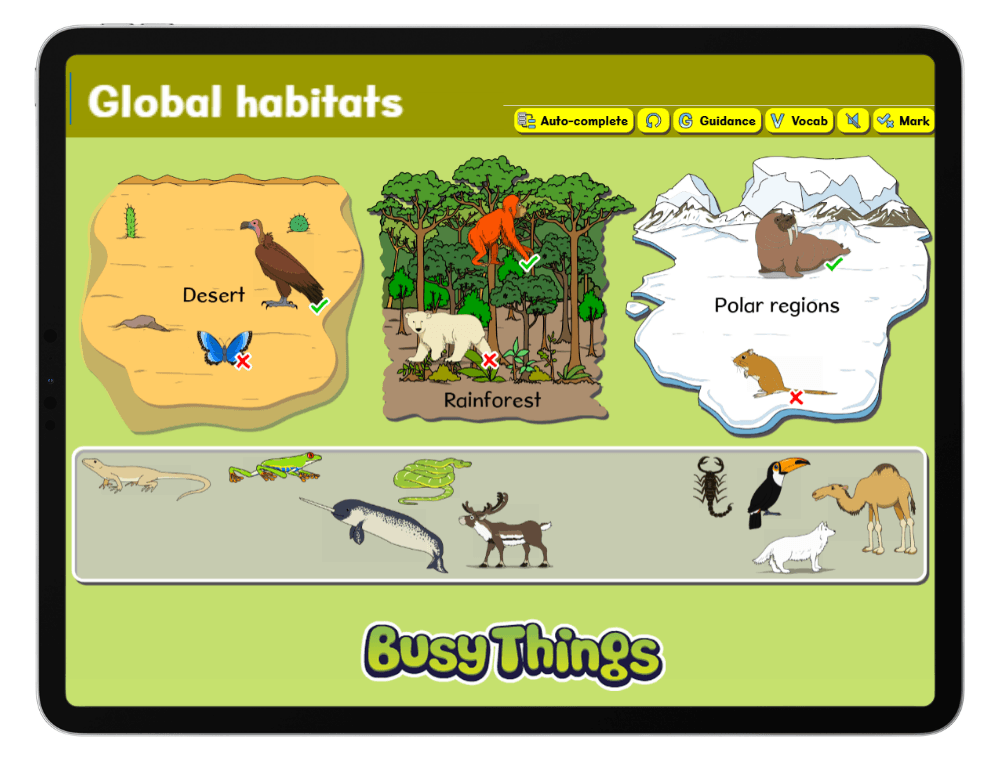
Try the Global Habitats Activity to match animals to the environments they actually live in.
Another habitat environment idea to try:
- Put two plants or seeds in different conditions (light/shade or more/less water) and see what changes — it’s a simple way to show how living things respond to their environment.
6. Free Recycling Activity Pack
Recycling is one of the easiest ways for children to start making sense of how their actions affect the environment.
If you want a simple, ready-made way to explore recycling, this free activity pack is just the job. It was designed for use in schools, but works just as well at home.
Inside you’ll find:
- simple recycling facts to get started
- a “recycle an extra item a day” tracker
- recycling myths and truths
- sorting and matching activities
- a short story about Benny the bottle and his second chance
- a recycling-themed word search
It’s an easy way to explore recycling without having to come up with ideas yourself.
Help children learn about the environment: Take it a step further
If you want to take it a step further, you could turn one of these into a simple weekly challenge. Pick one thing – turning things off, recycling properly, wasting less – and choose a way to measure it, keeping a rough tally as you go.
Top tip: Busy Things has a handy graph maker if you want to track it visually. It’s a simple way to help children learn about the environment through everyday habits.
Want to try more activities like these? You can explore all Busy Things activities completely free: Take a free Busy Things trial.
Over to you… enjoy your environmental explorations.
If your child enjoyed these, here are a few more ideas to explore: