The benefits of reading aloud in the primary classroom
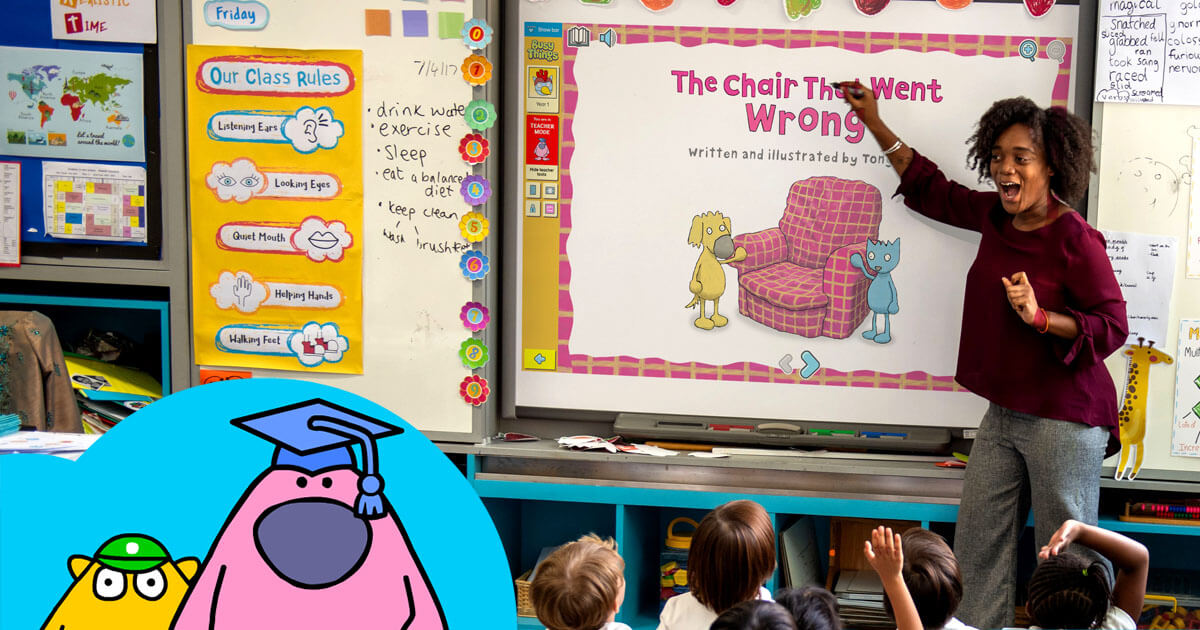
Reading aloud is one of those deceptively simple classroom practices that has a far-reaching impact. Whether it is a teacher modelling fluent reading or pupils taking turns to read a couple of sentences, reading aloud supports far more than decoding words on a page. Reading aloud in the classroom is one of the most effective ways to support literacy development in primary schools. It builds confidence, strengthens understanding and creates a shared love of stories that can shape children’s attitudes to reading for life.
With the renewed focus on reading through initiatives such as the National Year of Reading, many schools are reflecting on how to foster a genuine love of reading alongside strong core skills. Reading aloud plays a key role in both. Alongside this, recent proposals for the new curriculum have highlighted a greater focus on oracy, further reinforcing the importance of giving pupils regular opportunities to speak and present themselves verbally.
In busy classrooms, it can be easy to see reading aloud as something reserved for story time. However, research and classroom experience consistently show that it deserves a central place in daily teaching. From boosting comprehension to extending pupils’ word banks, the benefits are wide-ranging.
Why reading aloud matters in primary schools
Here are some of the key benefits of reading aloud for both teachers and pupils:
1. Reading aloud builds fluency and expression
Hearing fluent reading helps children understand what good reading sounds like. Teachers can model pace, tone and phrasing, giving pupils a clear example to follow. When pupils read aloud themselves, they practise these skills, improving accuracy and developing more natural, expressive reading.
2. Strengthens comprehension
Listening to a text read aloud allows children to focus on meaning rather than decoding. This is particularly valuable for less confident readers, who can access richer vocabulary and more complex ideas than they might manage independently. It also opens up opportunities for discussion, prediction and deeper questioning.
3. Reading aloud expands vocabulary and language skills
Reading aloud exposes pupils to new words, sentence structures and language patterns and research has proven that the ‘production effect’ – physically saying the words – improves memory. Over time, this supports both spoken language and writing. Children begin to internalise how language works, helping them to communicate more clearly and creatively.
4. Builds confidence and speaking skills
Regular opportunities to read aloud help pupils develop confidence in speaking in front of others. It encourages clear articulation and attentive listening, both essential skills across the curriculum. For many children, this can be a gentle way to overcome reluctance to participate.
5. Reading aloud encourages a love of reading
Perhaps most importantly, reading aloud creates a shared, enjoyable, social experience. Stories come to life when they are heard, not just read silently. Characters can come alive with fun voices; scenes feel real with the right mood and timing, transporting all participants into a shared adventure, quite removed from everyday life. This can be especially powerful for engaging reluctant readers, helping them to associate reading with enjoyment and fun rather than pressure and stress.
With so many benefits packed into a simple daily habit, reading aloud is a powerful tool for every primary classroom. In the next section, we will explore how you can build this into your teaching using engaging literacy activities from Busy Things.
How Busy Things can support reading aloud in the primary classroom
Busy Things includes 19 book extracts, giving you a wide choice of genres, authors and difficulty levels to access.
As the teacher, you can lead the reading or ask the children to.
Short and sweet, they are great for giving the children a taste of each book. They also lend themselves to interactive reading, as ending as they do, it’s natural to want to discuss what happens next.
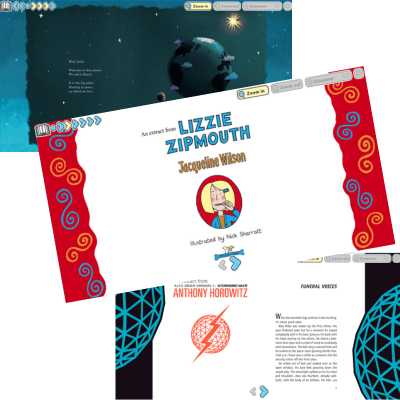

In addition to our fictional book extracts, we also have books focusing on Easter, The Nativity (left) and The Ten Plagues of Egypt.
As with the book extracts, you can read the books at your own pace and stop as required. This may be to discuss the storyline, explain new words or even discuss characters’ motivations.
Last but not least, Busy Things has two of its very own stories for you to access.
https://www.busythings.co.uk/activity-catalogue/browse-activities/activities/bk_chairThese fun and quirky stories are both illustrated and narrated by our very own Tony Hall and The Chair That Went Wrong includes Busy Things’ characters Cat and Dog!
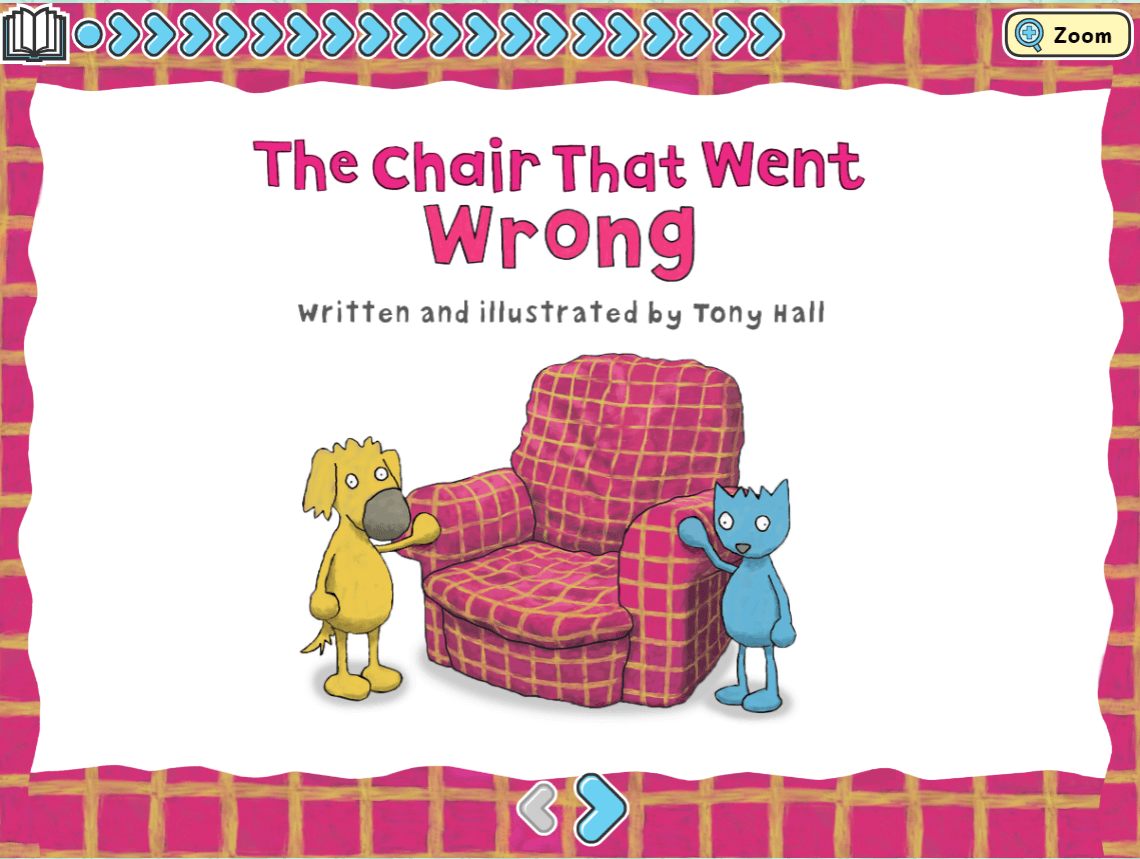
If you’re looking to make The Chair That Went Wrong even more interactive, we have sensory story guidance to help you do that.
Want to try our activities?
If you’d like to see the activities mentioned and are already a subscriber or trialist, simply log in and type the name of the activity desired into the ‘Search’ tool.
If you don’t currently have a login, you can take a look at our whole platform by taking a FREE 28-day free trial. Click here to start or book a short Teams demo if you’d like a guided look around.