World Science Day 2026: Working together to solve problems
World Science Day for Peace and Development takes place on 10th November, and this year, it’s looking at science diplomacy, which is about using science, sharing knowledge and working together to tackle problems that affect us all.
It might sound complicated, but the basic ideas are simple: listen, share, learn and work together.
You don’t need to teach science diplomacy as a topic. Instead, these three quick activities give children a chance to explore some of the skills behind it.
1. Pollution doesn’t stop at borders
Pollution can travel beyond where it starts, affecting people, animals and environments elsewhere.
Our Interview a Surfer activity (below) is a great way to start a quick discussion. Children can talk to Merryn, a young surfer from Cornwall, about pollution in our oceans.
They could ask:
- If pollution gets into the sea, where might it go?
- Who needs to work together to keep our oceans clean?
- Can one country solve ocean pollution on its own?
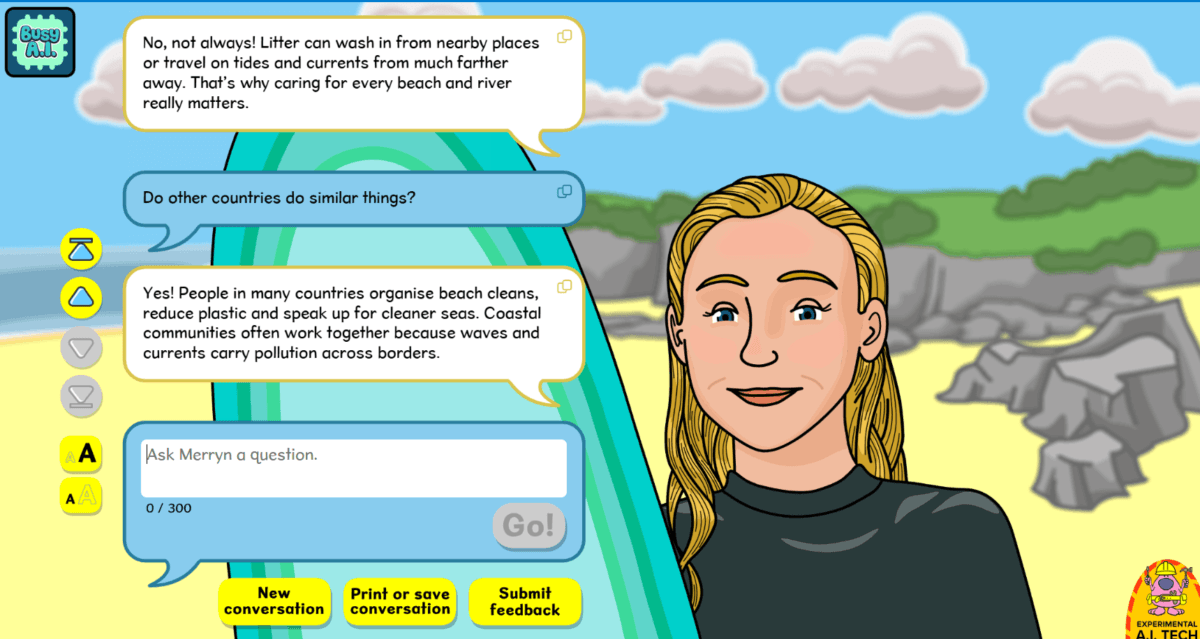
It’s a simple way to show children that some problems need people to work together.
2. Sharing information helps us understand one another
Good communication is important in science. Scientists need to explain what they have discovered so that other people can understand it.
You can demonstrate this with a quick drawing challenge based on page 8 of our FREE Coding topical pack.
Choose two children to give instructions and two to draw.
The first child describes an object without saying what it is. The second child listens and draws it.
Then try again with two different children. This time, the first child can say what the object is before giving their instructions.
Compare the two drawings.
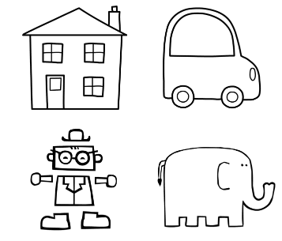
Try it: Ask your pupils what made the second drawing easier. What extra information helped?
It’s a quick, fun way to show that sharing information isn’t just about talking. It’s about making sure the other person understands.
3. Can you agree on a shared way forward?
Sometimes people have different ideas about the best solution to a problem.
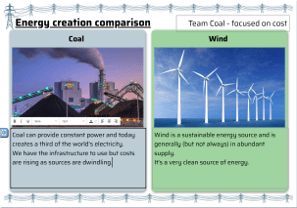
Ask your pupils to imagine they need to choose how to produce electricity for their community: wind, nuclear or coal.
Split the class into groups and ask each group to think about why their choice might be a good one. You could give groups different things to consider, such as cost, the environment or how reliable the energy source is.
Try it: Use our Compare types of electricity generation writing project to help children explore the different options.
Then bring everyone together. Can they agree on the best choice?
The aim isn’t to have a winner. It’s to listen to different ideas, look at the evidence and see whether everyone can agree on a solution.
Science is better when we work together
Science helps us understand the world around us. But when we face big problems, we often need to share what we know, listen to others and work together to find solutions.
That’s a useful idea to explore on World Science Day, without needing to make science diplomacy itself part of the lesson.
Enjoyed these activities?
We hope you’ve enjoyed the Compare types of electricity generation activity and Coding topical pack included in this post. If you’d like to explore Interview a surfer, plus hundreds of other curriculum-linked activities, we’d love you to take a free trial. You’ll have a full 28 days to look around at your leisure!