7 engaging ways to teach coding this National Coding Week
Coding can be quite daunting to teach but can actually be a lot of fun. It incorporates solving problems, creativity and troubleshooting, and can provide some incredible results when everything comes together!
National Coding Week (16th-22nd September) is the perfect opportunity to introduce coding in a way that’s fun, engaging and accessible for every child, whether they’re complete beginners or already budding programmers.
Here are seven activities to spark your pupils’ curiosity for coding and help them discover that coding really is for everyone. Click on the link to find out more about each:
- Make the perfect sandwich
- Become debugging detectives
- Take coding offline
- Help Beard Man complete his mission with Code Disco
- Build resilience via bug fixing
- Think like a computer
- Keep the excitement going
1. Can your class make the perfect sandwich?
One of the best ways to introduce coding doesn’t involve a computer at all.
Ask your class to explain exactly how to make a sandwich. As you follow their instructions to the letter, they’ll soon discover just how important precise algorithms are!
Should you cut the bread in half first? Put the pieces of bread together before buttering? Eat it before you spread on the jam?
The inevitable mistakes lead to laughter but they also teach an important lesson: computers do exactly what we tell them.

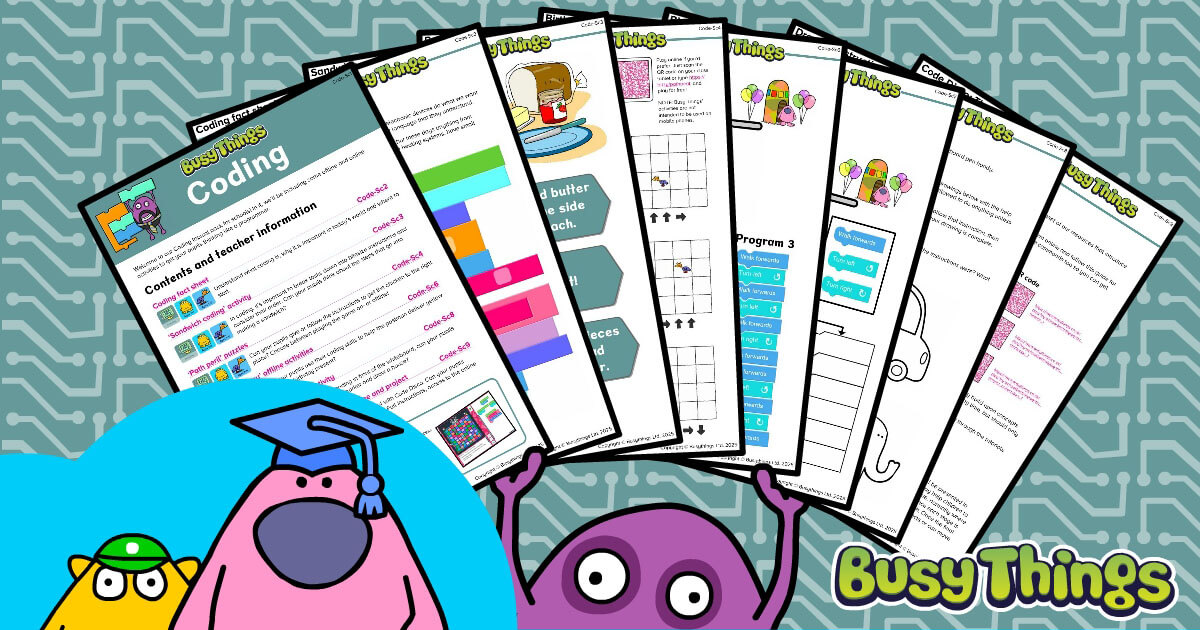
Our FREE Coding Pack includes a ready-to-use sandwich activity, making it easy to bring this lesson to life.
2. Become debugging detectives
Every programmer makes mistakes. The trick is learning how to spot them.
Challenge your pupils to identify what’s wrong with a sequence of instructions before fixing the problem together.
Whether they’re correcting an algorithm or finding the missing command, children quickly learn that debugging isn’t failure but part of the learning process.
You’ll be amazed how excited they become when they solve the puzzle.
3. Take coding offline
Coding doesn’t have to start with computers.
Use printable coding blocks or floor tiles (like the ones in our Coding topical pack) to let children build algorithms physically before translating them into digital programs.
Walking through commands, acting them out and moving blocks around helps children understand sequencing far more naturally than jumping straight onto a device.
It’s particularly effective for younger pupils and those who benefit from a more hands-on approach.
4. Help Beard Man complete his mission with Code Disco
Once pupils understand the basics, they’re ready to start coding.
Busy Code’s award-winning Code Disco introduces children to block coding through colourful, engaging challenges featuring the much-loved Beard Man.
Pupils build, run and debug their own programs while learning key coding concepts through play.
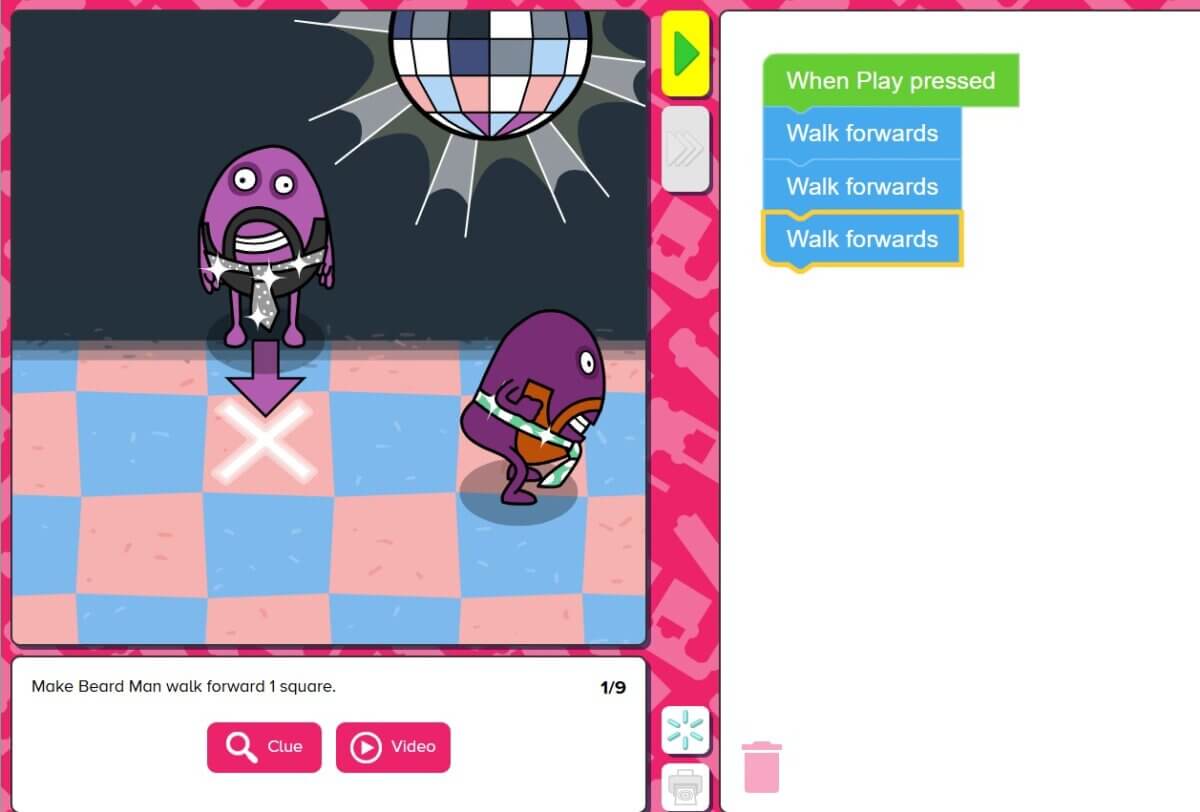
The first tutorial is completely free and included in our Coding topical pack, making it an ideal introduction for Key Stage 2 classes.
5. Build resilience via bug fixing
Coding teaches something that’s valuable far beyond computing: resilience.
When a program doesn’t work first time, encourage children to investigate why.
Which instruction needs changing?
What happens if they swap two commands?
Could there be another solution?
Those “I’ve fixed it!” moments often become the highlight of the lesson.
6. Challenge pupils to think like computers
Computers aren’t clever. They’re incredibly obedient and do exactly what they’re asked to do.
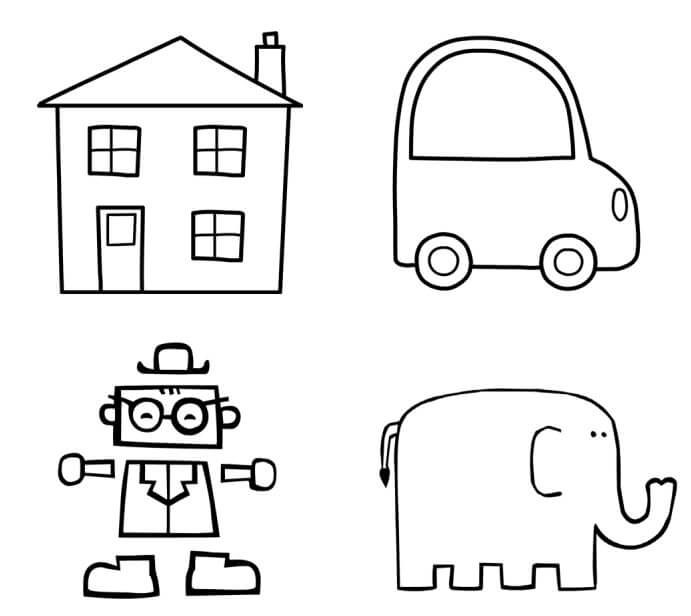
Give your pupils everyday challenges that require very specific instructions, such as directing a partner around the classroom or explaining how to draw a simple picture.
They’ll quickly realise that assumptions don’t work when you’re programming.
It’s a brilliant way to develop logical thinking while having lots of fun.
7. Keep the excitement going
If your pupils enjoy these activities, we’ve plenty more for you to explore within our Coding topical pack. It’s free and includes:
- A child-friendly fact sheet explaining what coding is and why it matters.
- Unplugged activities that develop computational thinking away from the screen.
- A sandwich-making activity.
- A classroom challenge exploring the importance of precise instructions.
- Free access to the first Code Disco tutorial.
- Printable coding floor tiles for active learning.
Whether you’re planning a single lesson or a whole week of coding activities, you’ll find everything you need to inspire your class.
Download your FREE Coding topical pack today, ready for National Coding Week!
Looking for even more coding activities?
Busy Code forms part of Busy Things’ award-winning primary curriculum platform, helping children progress from their very first algorithms through to loops, events, conditionals and variables using colourful, engaging activities designed specifically for primary school-aged learners.
Teachers also love the confidence it gives them.
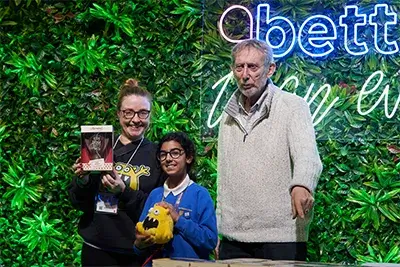
“Busy Things helps children of all ages understand coding. This includes fun characters that encourage young children to learn whilst enjoying themselves.”
Kids Judge BETT (2023)
If you’d like to explore Busy Code further and try out over 1,600 curriculum-linked activities across Busy Things, why not start a free 28-day school trial? You can access it alone or share the trial with your colleagues (using the same login details). If you’d like a guided tour via Teams, that’s easily arranged too! Just click the Teams link.
Looking for ideas parents can try at home? Share our six easy coding activities for children at home, with no coding knowledge or special equipment needed.
This blog including the pack was updated and revised in August 2026.
3 Replies to “7 engaging ways to teach coding this National Coding Week”