What’s happening in November? 6 topical classroom ideas for primary schools
November is a brilliant month for bringing topical learning into the primary classroom. From exploring the colourful traditions of Diwali and investigating how electricity is generated to remembering the past, thinking about road safety and discovering the natural world, there’s plenty to inspire your pupils.
We’ve picked six events and celebrations that take place in November to inspire you when lesson planning. Plus a couple more dates worth knowing about. Read on to find out more!
1. Create a firework display for Bonfire Night (5th November)
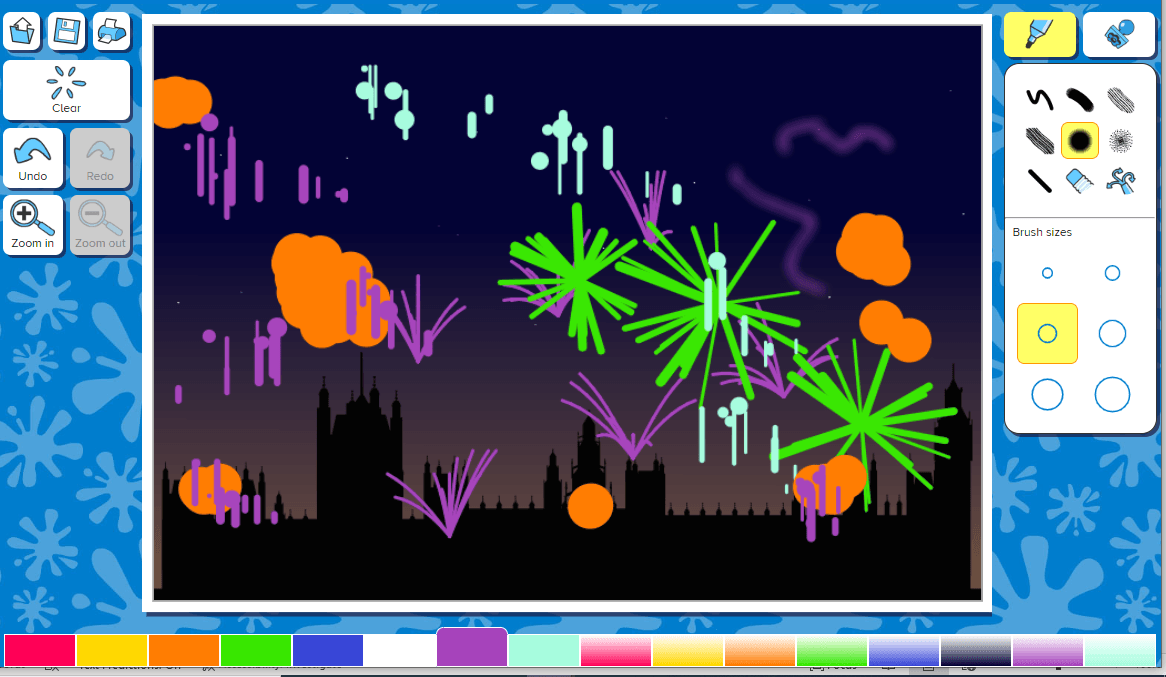
Bonfire Night is a familiar part of the November calendar, with fireworks lighting up the sky on and around 5th November. It’s also a great opportunity to explore colour, shape, pattern and creative expression.
Ask pupils to think about the different effects they might see in a firework display. What happens when bright colours spread across a dark sky? How could they use lines, dots and shapes to represent a firework bursting into life?
Pupils could experiment with different colours and patterns to create their own firework-inspired artwork, imagining a display full of sparkling trails, colourful bursts and dramatic effects.
Busy Things idea: Our Firework display activity lets pupils create their own digital fireworks using special brush tools, including sparkles, lines, sprays and firework effects. It’s a colourful way to bring their ideas to life.
2. Explore the colourful traditions of Diwali (6th-10th November)
Diwali, often known as the festival of lights, is celebrated by Hindus, Sikhs and Jains, with different traditions and meanings within each faith. Light, hope and new beginnings are among the themes associated with the festival, which is marked through a variety of celebrations and customs.
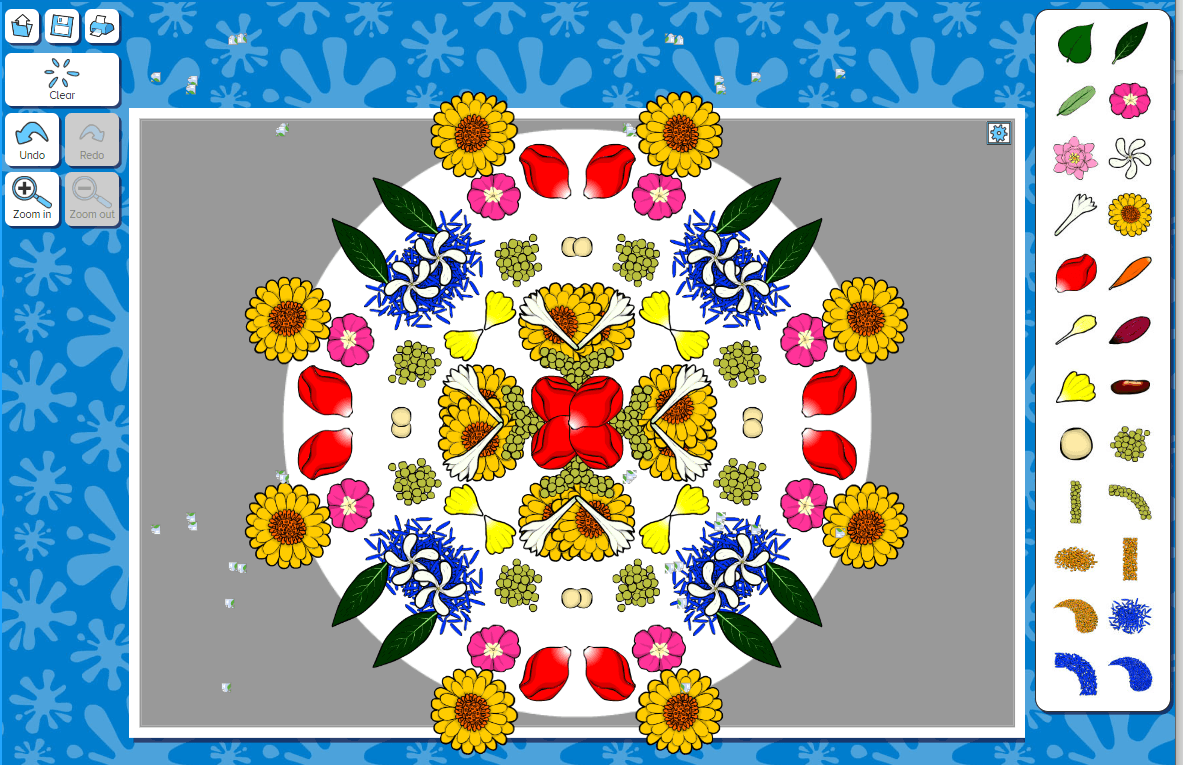
One tradition pupils can explore is rangoli, decorative patterns created using colourful materials and often displayed at entrances to homes. Designs may feature geometric shapes, flowers and repeated patterns.
Challenge pupils to look closely at rangoli designs. Which shapes and colours can they spot? Can they identify repeating patterns in the designs?
Busy Things idea: Try our Rangoli patterns activity to explore colourful designs and patterns.
You can also read our Diwali blog for more background and classroom inspiration.
3. Investigate electricity for World Science Day (10th November)
World Science Day for Peace and Development highlights the role science plays in our lives and the world around us. It’s a great opportunity to encourage pupils to ask questions, investigate how things work and think about the science behind everyday experiences.
Electricity provides plenty to explore. Where does the electricity we use come from? How do different power stations generate it? What are the differences between renewable sources, such as wind and solar power, and sources that rely on fossil fuels?
Challenge pupils to compare different types of electricity generation. They could investigate how each method works, identify advantages and disadvantages, and consider how the choices we make about energy affect the environment.
For a follow-up activity, pupils could present their findings in a comparison table or explain which energy sources they think could play an important role in the future.
Busy Things idea: Our activity, Compare types of electricity generation, helps pupils explore energy sources and how electricity is produced.
Take a look at our World Science Day blog for more ideas too.
4. Remember those affected by wars and conflicts on Remembrance Day (11th November)
Remembrance Day is an opportunity to remember the people who have lost their lives in wars and conflicts, as well as those who have served or been affected by conflict. It also gives us a chance to reflect on the importance of peace and why it matters that we remember the past.
You could ask pupils why we observe Remembrance Day on 11th November, why the poppy has become a symbol of remembrance and how people mark the occasion today. Older pupils could explore how remembrance has developed over time and consider the different ways communities remember those affected by conflict.
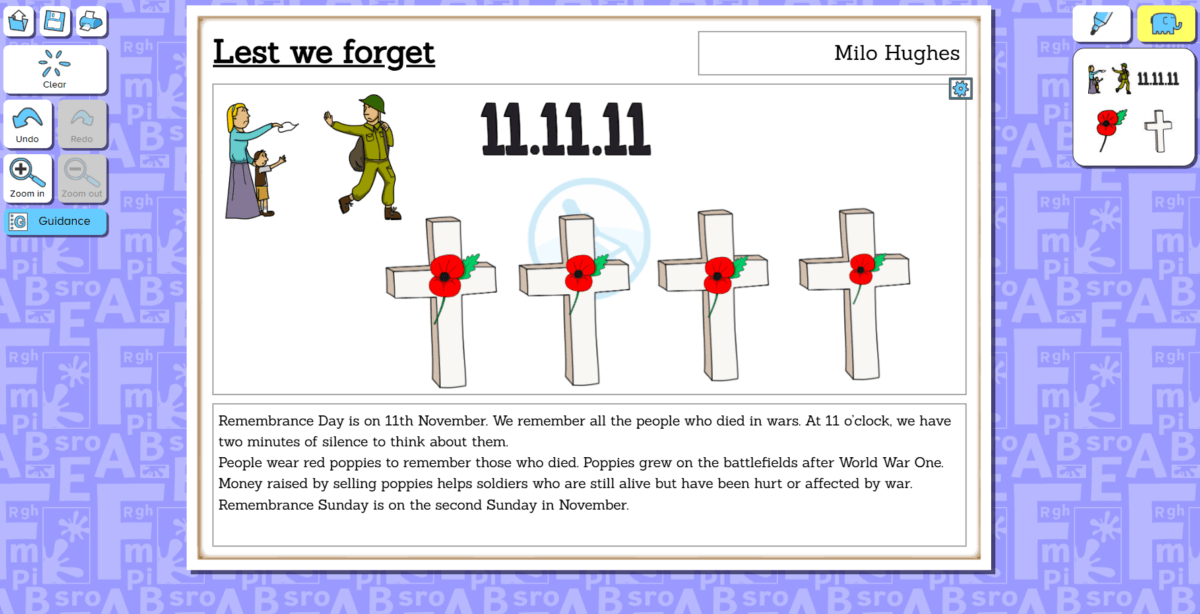
Busy Things idea: Our Lest we forget template, within the After World War 2 resource, provides useful information about why Remembrance Day is held when it is, why people wear poppies and what the money raised supports.
5. Design a road safety poster for Road Safety Week (15th–21st November)
Road Safety Week encourages people to think about how we can make roads safer for everyone. This year’s theme is “Safe people on the move” and provides a useful opportunity to explore the choices people make when walking, cycling, scooting or travelling on our roads.
What makes a road crossing safer? Why is it important to stay alert near traffic? What advice would pupils give someone travelling to school?
Challenge your class to turn an important safety message into a clear, eye-catching poster. They should focus on one key message, use illustrations to make it memorable and think carefully about how to make their words stand out.
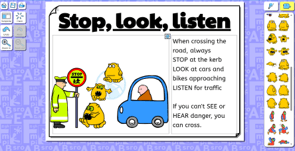
Busy Things idea: Our Road safety poster activity gives pupils a selection of templates to help them get their road safety message across.
6. Discover common trees during National Tree Week (21st–29th November)
National Tree Week celebrates trees and marks the start of the winter tree-planting season. It’s a great opportunity to explore the trees around us and discover more about the natural world.
How many different trees can your pupils identify? What clues can they use to tell them apart? Leaves, bark, seeds and the shape of a tree can all help us recognise different species.
Challenge pupils to investigate common trees in your school grounds or local area. They could compare different features, match leaves to the trees they come from or create a simple identification guide.
You could also explore how trees change throughout the seasons and why they are important for wildlife and the environment.
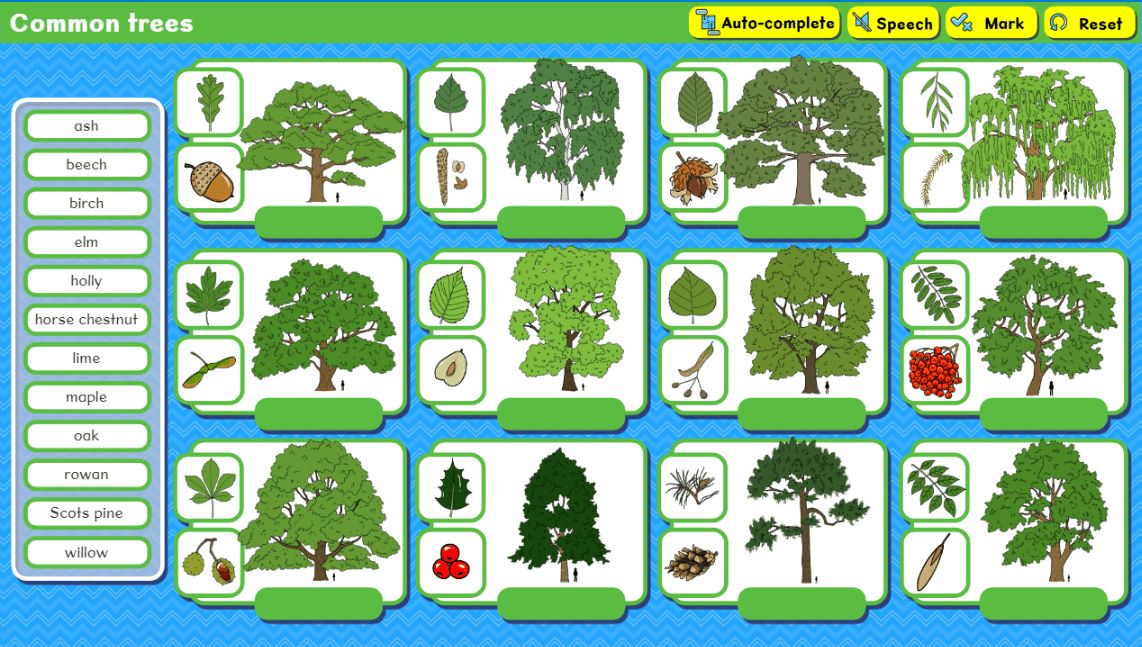
Busy Things idea: Our Common trees activity supports pupils in learning to recognise different types of trees.
For more inspiration, take a look at our supporting blog.
Also happening in November
There are plenty more opportunities for topical learning this month. Here are two more dates to add to your classroom calendar:
Children in Need (13th November)
Children in Need raises money to support children and young people across the UK. The event offers the opportunity to explore the work charities do and how people can help causes they care about.
Pupils could investigate how fundraising supports others, come up with ideas for a school fundraising activity or design a poster to encourage people to take part.
Anti-Bullying Week (16th–20th November)
The theme for Anti-Bullying Week 2026 is Break the Silence, encouraging children and adults to speak up about bullying and take action against it.
You could explore what makes a supportive friendship, discuss how pupils can seek help if they are worried about bullying, or ask the class to create positive messages about kindness and inclusion.
Looking for more ideas for November?
You could also explore autumn and seasonal change, investigate the natural world to help children think about the science around them and get creative.
Whatever you’re teaching, Busy Things has over 1,600 curriculum-linked games and activities covering maths, English, science, history, geography, coding and art, along with resources and tools to support teaching and learning across the primary curriculum.
Want to see what’s available? Try Busy Things’ free for 28 days and explore the platform at your own pace.