Autumn classroom activities for ages 3–11
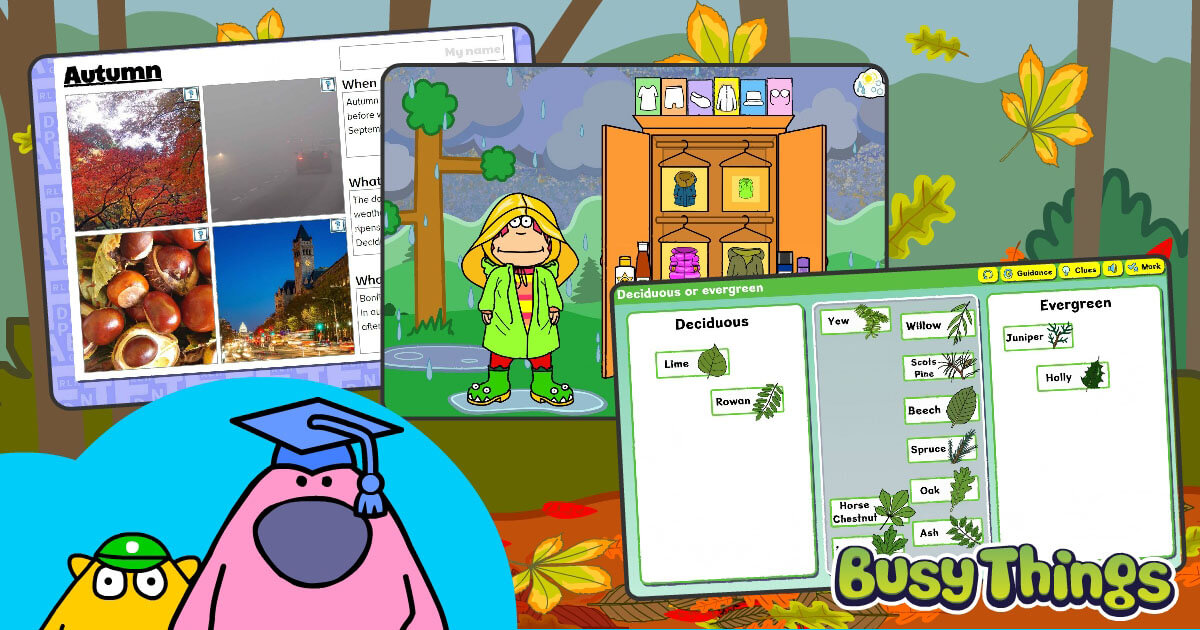
Autumn is a great time to bring the changing world around us into the classroom. As the leaves change colour, the weather gets cooler and the days become shorter, there are lots of opportunities to connect seasonal changes with learning across the curriculum.
Below are some simple autumn classroom activities for pupils aged 3–11, covering science, English, maths and the wider curriculum. Many can be adapted for different ages, making them easy to use for all year groups.
1. Explore autumn outdoors
Take your pupils outside and see what signs of autumn they can spot.
Encourage them to look closely at trees, plants, leaves and the weather. What has changed since summer?
Start by gathering words together. What colours can they see? What sounds are they hearing? How does the weather feel? What might they find on the ground?
Younger pupils could draw or talk about what they see, even collect a few fallen leaves to examine back in the classroom.
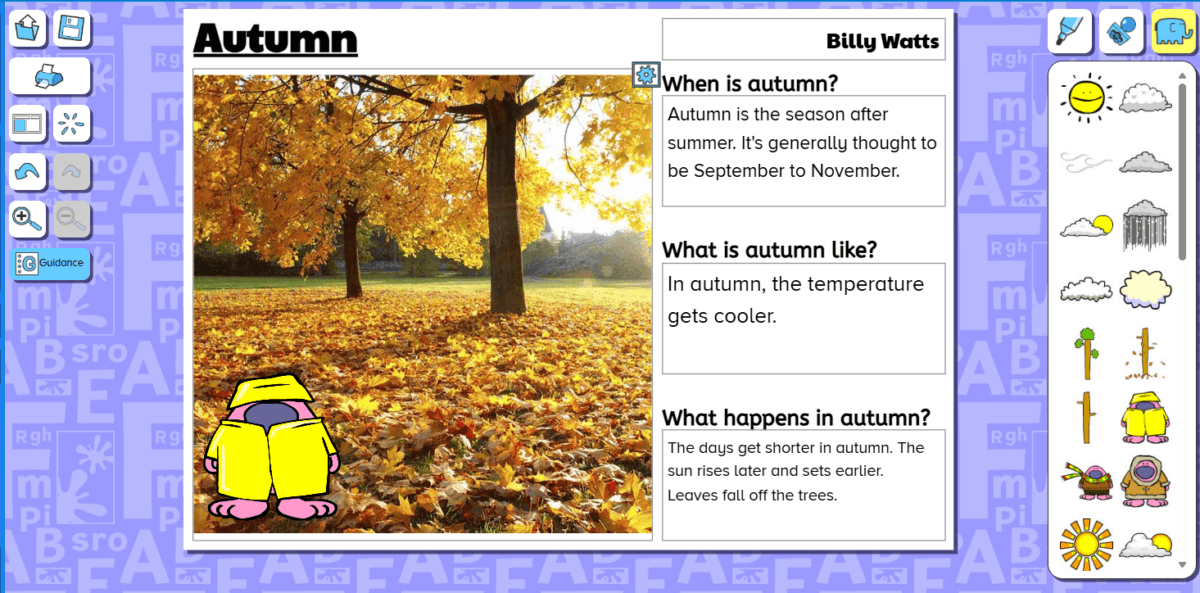
Older pupils could write a short creative description using our Write about Autumn activity and upload their own pictures to accompany it.
2. Explore the life cycle of a tree
Autumn is a perfect time to look more closely at trees and how they change throughout the year.
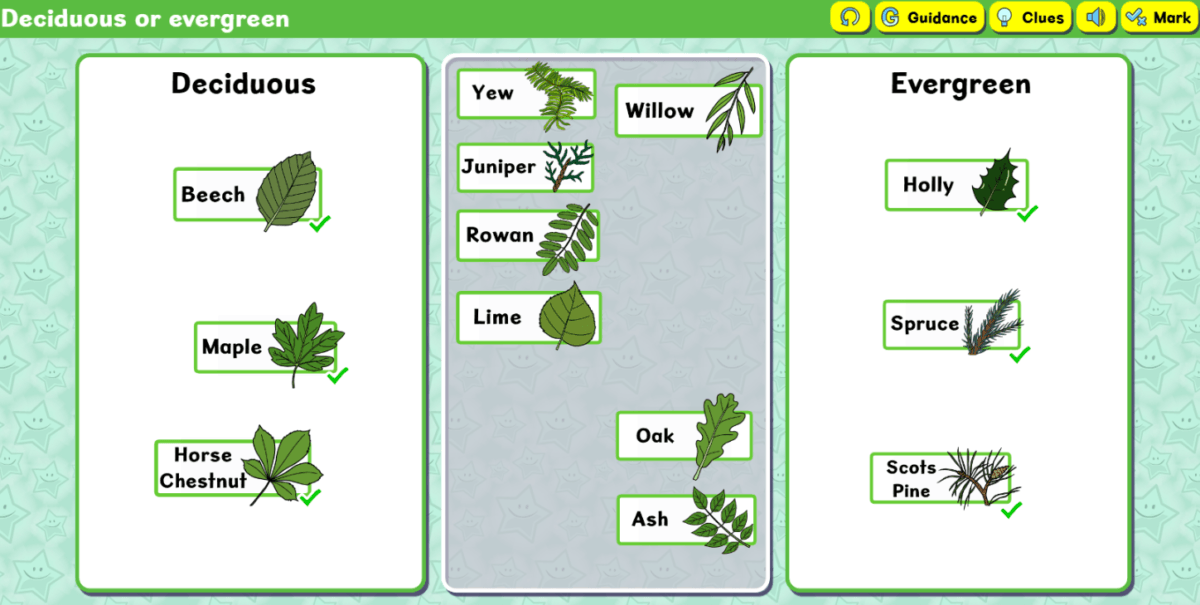
Ask pupils what happens to a tree throughout the year. What happens to the leaves? When do new leaves appear? What happens to the tree during winter?
Busy Things activity: Our Deciduous or evergreen? activity focuses on common trees and asks which shed their leaves in autumn, which don’t.
3. Sort seasonal fruit and vegetables
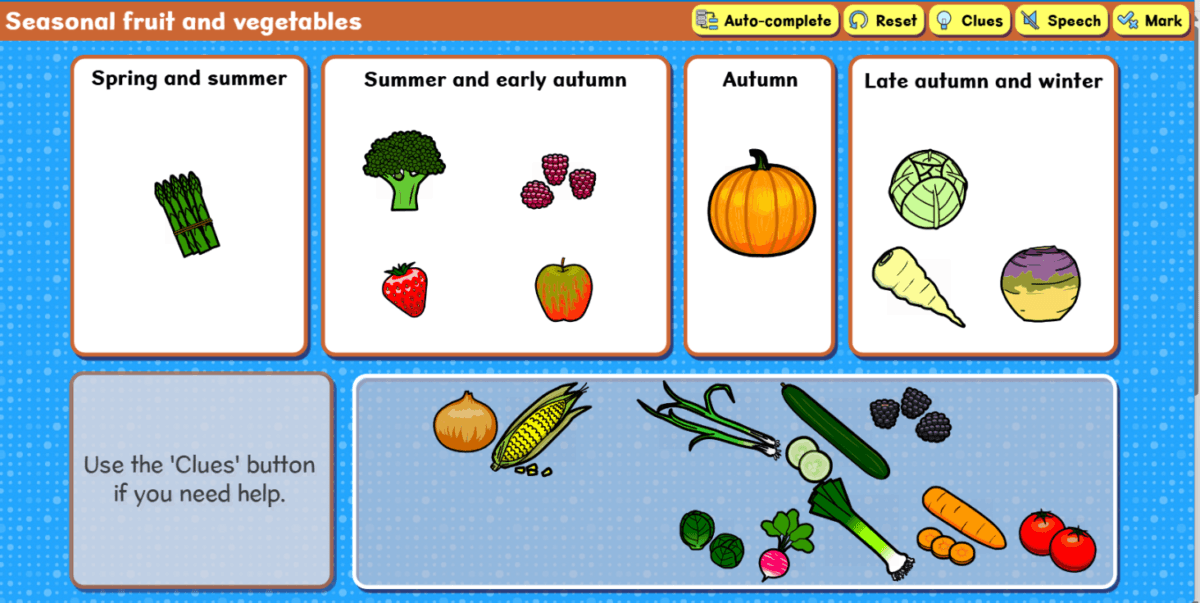
Autumn brings plenty of seasonal fruit and vegetables, making it a useful starting point for sorting and classification.
Show pupils a selection of foods and ask them which ones they think are associated with autumn. Can they sort them into different groups? You could extend the activity by talking about where different foods grow and when they are harvested.
For younger pupils, keep the focus on recognising and sorting. Older pupils could investigate which fruit and vegetables are in season at different times of the year.
Busy Things activity: Try our Seasonal Fruit and Vegetables sorting activity for an interactive way to explore the topic.
4. What should we wear?
The weather can change quite dramatically during autumn. One day might be bright and sunny, while the next is cold, wet and windy.
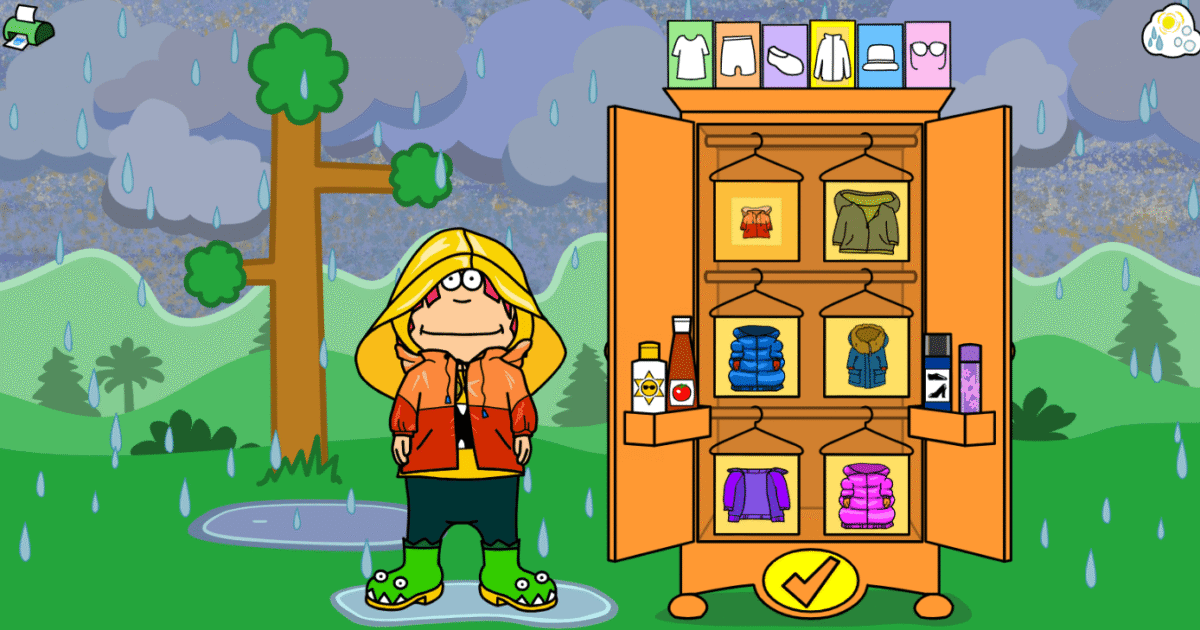
Talk to pupils about the different types of weather they might experience during autumn. What would they wear on a rainy day? What about a cold morning or a warm, sunny afternoon?
Younger pupils can practise matching clothes to different types of weather, while older pupils could discuss why particular clothes are suitable for particular conditions.
Busy Things activity: Weather Wardrobe turns this into a fun interactive game.
5. Put the seasons in order
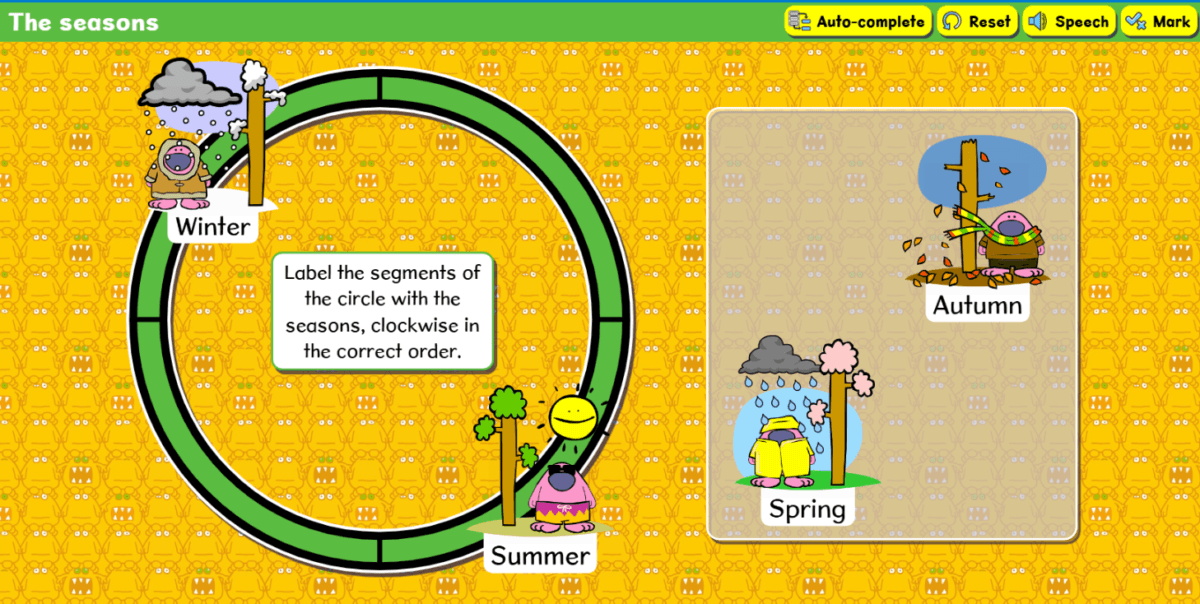
Can your pupils name all four seasons? Can they put them in the correct order?
This simple activity is particularly useful for younger pupils who are beginning to learn about seasonal changes.
Once they know the order, talk about what happens during each season. What might you see, hear or feel in autumn that you wouldn’t expect to see in summer?
Busy Things activity: Our Ordering Seasons activity gives pupils a chance to practise putting the seasons in the correct order.
6. Make an autumn weather chart
Keep track of the weather over a week or two.
Each day, pupils could record whether it was sunny, cloudy, rainy or windy and note the temperature if you have a thermometer available.
At the end of the week, look at the results together. Which type of weather did you see most often? Which day was the warmest? Can pupils represent their results in a simple chart or graph?
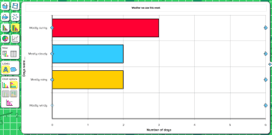
This is an easy way to connect a familiar seasonal topic with maths and data handling, and is just what our Busy Graph Maker was designed for.
Explore more autumn learning with Busy Things
These are just a few ways to bring autumn into your classroom. Busy Things has 1,600+ curriculum-linked activities, games and tools for ages 3–11, covering subjects across the primary curriculum.
Alongside seasonal activities, you’ll find resources for maths, English, science, computing and the wider curriculum, as well as creative tools for teachers.
Try Busy Things free for 28 days and explore the activities with your class.