Supporting your Year 6 pupils’ transition to secondary school: Practical ideas for teachers
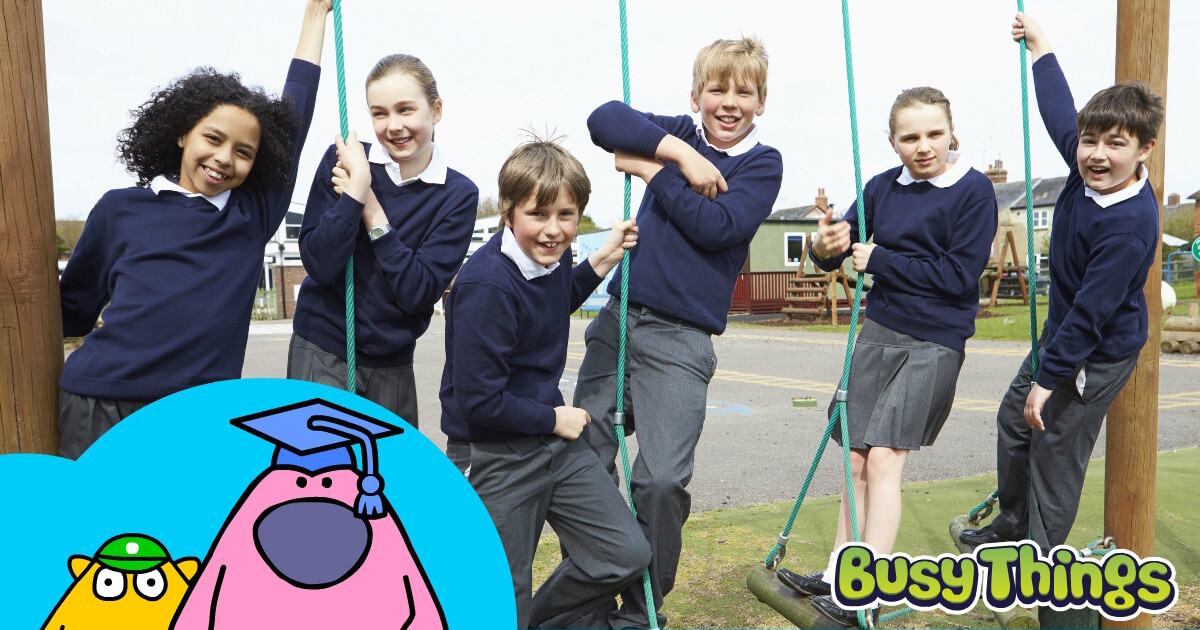
Making the move to secondary school is a huge milestone in an 11-year-old’s life. After several years in a familiar primary school environment, moving to a larger school with new routines, teachers and expectations can feel both exciting and daunting.
The secondary schools will, of course, be in contact with you to understand their new Year 7s’ strengths, needs and any additional support required (which if you feed into several schools can be complex in itself!) and will organise transition days for the pupils at their new schools. Most children will be keen to attend but it’s important to encourage those that may feel anxious too. Familiarity can make a real difference when September arrives. Besides working with the Year 7 Lead, however, much of the process may feel beyond your control. This blog focuses on what you can do to make the children’s transition to secondary school as smooth as possible as the children’s current primary school teacher.
And there’s no better time than now, with SATs done and dusted, to put some plans into action. Your pupils will thank you for it in September as they walk confidently into their new schools in their smart new, slightly uncomfortable, blazers.
How can teacher support the transition to secondary school?
Teachers can support the transition to secondary school by:
- Celebrating pupils’ achievements and marking the end of primary school.
- Building independence and encouraging children to take responsibility for their learning.
- Developing organisational skills such as planning ahead, following timetables and managing belongings.
- Helping pupils build resilience and cope with change and new challenges.
- Working with parents to ensure children receive consistent support at home and at school.
- Providing additional support for pupils who may find the transition more challenging.
- Encouraging children to discuss their hopes, questions and worries about secondary school.
A successful transition helps children leave primary school feeling confident and begin secondary school ready for the opportunities and challenges ahead.
Why is the transition to secondary school important?
The transition to secondary school has two key areas of focus:
- Marking the end of an era and celebrating pupils’ time at primary school
- Preparing pupils for the opportunities and inevitable challenges they’ll face
While schools often excel at celebrating pupils’ achievements, it can be harder to find time for the practical preparation that builds confidence for the move.
How to support the transition to secondary school in Year 6
Celebratory events and mementos
The end of Year 6 provides a natural break in a child’s education and, if you look back at Day 1, the children will have changed significantly. It’s great to showcase the talents the children have developed in a Year 6 performance or play, or share memories and achievements in an award ceremony. Be mindful to be inclusive though, as not all children are academic or sporty. It may be useful to look at the values that your school engenders, such as resilience, fairness and kindness for some of the awards. You might also like to ask your pupils what their favourite things from primary school have been and celebrate these! This could be a favourite teacher, a particularly fantastic school trip or, dare we say it, even playing on Busy Things!
A party of some kind is also a must. This can be for the children on their own, or extend to their families too, depending on what suits your school community best. Events can range from beach-themed parties, silent discos and sleepovers indoors, to race nights, rounders evenings and inflatable fun outside, but are usually held somewhere within the school or on the school field for ease and cost.
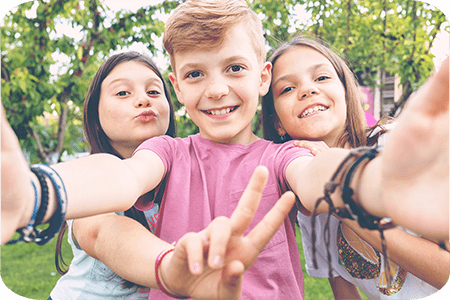
Last but not least, a keepsake is always appreciated. Again, this can be as simple as allowing the children to use their T-shirts as an autograph book on the last day of school (best to ensure parents are happy with this!) or as involved as a US-style yearbook. T-shirts and hoodies with all the Year 6 children’s names on are also a popular option.
Emotional and practical preparations
What this should entail largely depends on the traits that you think your pupils need to develop to succeed at secondary school, but as a general rule of thumb, secondary school teachers expect their students to be independent, organised and resilient to learn successfully, so we’ve concentrated on these. Read on as we look at what each means in practical terms, and how you as a Year 6 teacher can hone these skills in the last few weeks of term.
Independence
Many children in Year 6 still rely heavily on adults to organise aspects of their school day. In secondary school, pupils are expected to arrive prepared for learning, manage their belongings and take responsibility for completing homework.
Develop this trait in Year 6 by giving the children extra responsibilities, letting them make their own decisions about how they learn and present their work, and encouraging them to think for themselves.
Organisational skills
In most primary schools, children are local to the school and taught in the same classroom all week. On starting secondary school, getting to school (potentially using the school bus), navigating around the site and keeping to a strict timetable can seem challenging to say the least.
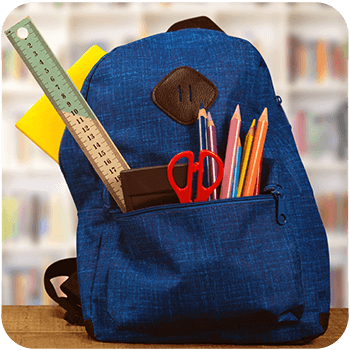
On this one, practice most definitely makes perfect! The transition days will help familiarise children with the school’s layout. And, if children are walking, they should be encouraged to test out and time their route to school to ensure they leave in sufficient time and know the way. It’s a bit trickier if there’s a bus involved, but if they know someone older who takes the same bus, it’s a good idea for them to ask if they can go with them for the first few days.
In the classroom, practice tasks such as packing for a holiday are great for getting the children to plan ahead, encouraging them to think about what they’ll be doing, what they’ll need to do those things, how they’ll get there and how long they need to do so.
Resilience
Secondary school brings both academic and personal challenges alongside the transition itself. Not everything will come easily, and for many pupils the step up will feel significant. By developing your children’s resilience, however, you’ll be preparing them for the challenges that lie ahead of them.
Being able to recover from a difficulty or setback is essential for everyone. By giving children an understanding of what resilience is and the obstacles they may face, they’ll be more confident to deal with them when they arise.
A good starting point might be to simply ask the class:
- what they think the differences between primary and secondary school will be
- what they are most looking forward to about secondary school, and
- which areas they’re concerned about
Reassure pupils that it’s completely normal to have questions, worries and doubts, and that finding information about those areas can allay their fears. Practical things like how to get to school are quite simple to tackle (as we’ve covered earlier); changes to friendships can be trickier. Make sure that the children know where to get help and that they are not alone. Websites like BBC Bitesize are great for normalising the issues, and often have well-known people talking about how they felt and resolved the issues they faced.
Working with parents during the transition to secondary school
Parents and carers play an important role in helping children prepare for secondary school and the support children receive at home can have a significant impact on how confident they feel about the move.
As the end of Year 6 approaches, encourage parents to talk positively about secondary school and create opportunities for children to discuss any questions or concerns they may have. Simple conversations about what to expect can help to reduce uncertainty and reassure children that it is normal to feel both excited and nervous.
Parents can also help children develop the independence they’ll need in September. Small responsibilities, such as packing their own school bag, organising equipment and managing homework deadlines, can help children feel more confident in looking after themselves.
Where possible, encourage families to familiarise themselves with new routines before the start of term. Walking or travelling the route to school, discussing the school day and establishing bedtime routines can all help children feel more prepared when the first day arrives.
By working together, schools and families can help children approach the transition with confidence and a positive mindset.
Supporting pupils who may find transition to secondary school more challenging
While many children are excited about starting secondary school, some may need additional support during the transition process. Children with SEND, those who struggle with anxiety, pupils who are moving to a different school from their friends or those experiencing changes at home may find the move particularly challenging.
For these pupils, familiarity can make a huge difference. Additional visits to the secondary school, opportunities to meet key members of staff and access to photographs, maps or virtual tours can help reduce uncertainty and build confidence.
It’s also important to create opportunities for children to share their feelings. Some pupils may openly express their worries, while others may appear confident but keep concerns to themselves. Regular check-ins, class discussions and small-group activities can help ensure that every child feels heard and supported.
Where appropriate, work closely with parents, carers and the receiving secondary school to share information that will help children settle successfully. The more joined-up the support, the more likely pupils are to feel understood and confident as they take this important next step.
Remember that transition is not a one-size-fits-all experience. By recognising that some children may need additional reassurance or preparation, you can help ensure that every pupil has the best possible start to secondary school.
Common challenges when moving to secondary school
When structuring your school’s transition plan, the children and their needs obviously come first. For children going to a secondary school with lots of their peers, it’s great for their confidence if they can move up with at least one friend in their class. If children are going to different schools to their classmates, ensure they’re prepared. Encourage them to make friends early by chatting to the people they sit next to in class, and to join clubs, where they’re most likely to meet people who share similar interests.
Ensure everyone is prepared. Some children, especially those with siblings, may come across as confident and not show their anxiety externally. It could still be something that they are feeling, however, or feel nearer the actual time, so they’ll still appreciate having an understanding of how to take stock and bounce back.
Summary
We hope you’ve found this blog helpful and that it’s either provided you with new ideas or affirmed that what you’re doing now is valuable, so that you can wave your pupils off in July knowing that they are as prepared as possible for all that secondary school brings.
If you’ve any tried and tested suggestions of your own to add, we’d love to hear them, so please do leave a note in the Comments section below.
Good luck!
This blog was revised and updated in June 2026.