5 ways to create your own classroom activities using Busy Things’ Activity Maker
Every class is different, and sometimes you need an activity that focuses on exactly what your pupils are learning. Whether you want to revisit a tricky maths concept, check understanding after a lesson or give children an opportunity to practise independently, Busy Things’ Activity Maker helps you create resources tailored to your class.
With options to make your own quizzes and writing projects, you can use the Activity Maker across the curriculum, adapting activities to suit your pupils and the learning you want to support.
Here are five ways to make the most of it.
1. Target the learning your pupils need to practise
Sometimes a little extra practice can make all the difference. If your class is getting to grips with a new concept, you can create a quiz focused on the knowledge or skills you want them to revisit.
For example, you could make a maths quiz on number bonds, times tables or fractions, or create an English quiz to practise spelling patterns, punctuation or word classes. In science, you might focus on the parts of a plant, the stages of a life cycle or the properties of different materials.
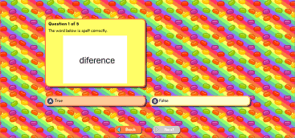
Because you choose the questions, you can keep the activity focused on the learning your pupils need to work on, rather than asking them to complete a broader activity that covers things they already know.
Try it: Create a short quiz on a topic your class has recently found challenging, giving pupils another opportunity to practise what they have learned.
2. Check understanding and decide what comes next
How can you tell whether pupils are ready to move on, or whether a concept needs a little more attention? A short quiz can provide a quick and effective way to check what they have understood.
Create a set of questions to revisit key points from a lesson or topic. You might check whether pupils can identify different types of angles, recognise the features of a non-fiction text or recall important facts about a historical period.
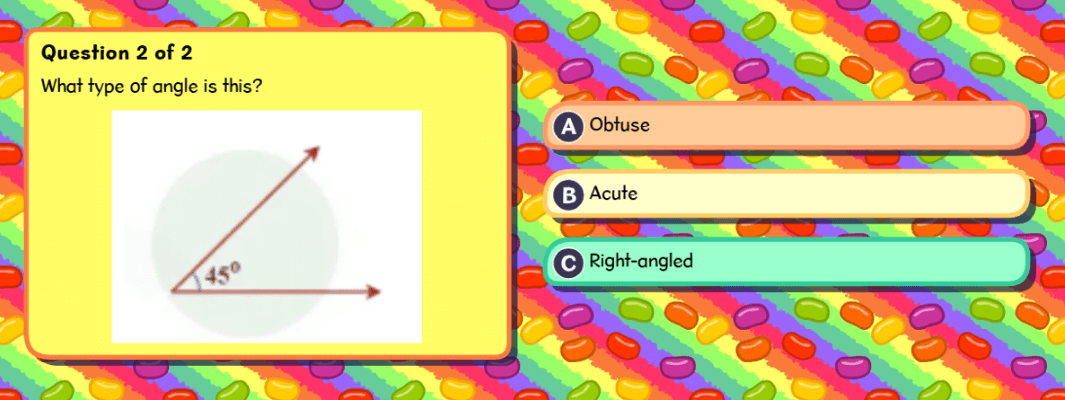
The results can help you spot areas that may need further explanation or practice. You can then use what you have learned to inform your next steps, whether that means revisiting a concept with the whole class or providing extra support for particular pupils.
And because the Activity Maker quizzes are automatically marked, you don’t have to mark every answer yourself. That means less time spent checking responses and more time to focus on what your pupils need next.
Try it: Make a quick end-of-topic quiz to check key knowledge before moving on to something new.
3. Adapt activities for different learning needs
One activity won’t always suit every pupil in your class. Some children may benefit from revisiting the basics, while others are ready to apply their knowledge in a more challenging way.
The Activity Maker gives you the flexibility to create different quizzes around the same topic. For example, you could make one quiz focusing on recognising 2D shapes and another asking pupils to identify their properties. In English, you might create activities to practise recognising adjectives before moving on to choosing effective adjectives in sentences.
You can also adjust the amount and complexity of the content to suit the pupils using it. This can help you provide additional practice where it’s needed, while giving other children opportunities to deepen their understanding.
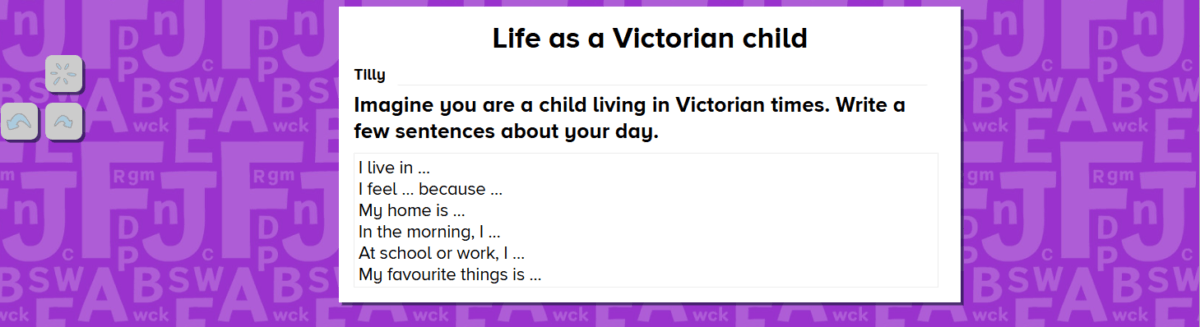
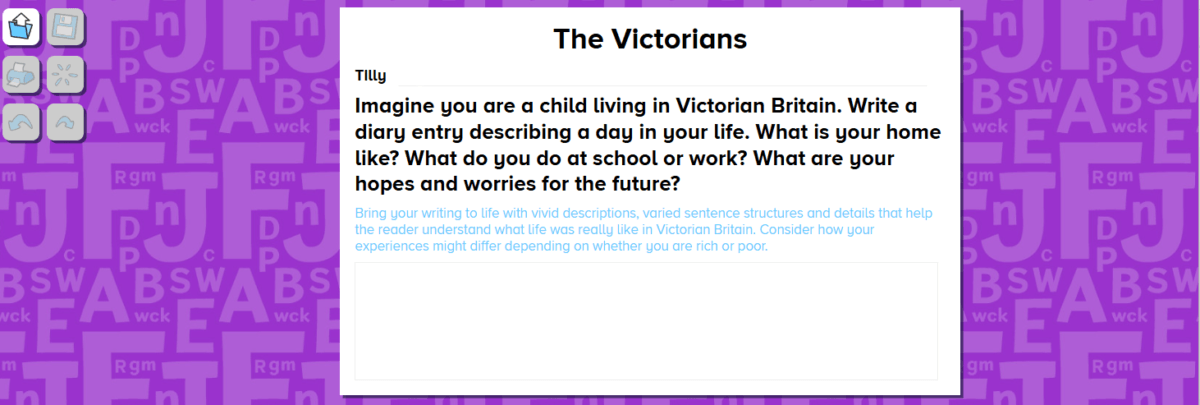
Writing projects offer another way to adapt learning. You could create a writing activity around a shared class topic, with a prompt that helps pupils get started or a more open-ended task that encourages them to develop their own ideas.
Try it: Choose a topic your class is learning about and create two versions of a quiz, with different levels of challenge.
4. Make independent practice more purposeful
Independent activities can be a valuable part of the school day, particularly when you’re working with a guided group, supporting an individual pupil or helping children who need a little extra attention.
The Activity Maker helps you prepare activities that give the rest of the class a clear learning focus. A short quiz can reinforce knowledge from a recent lesson, while a writing project can give pupils an opportunity to apply what they’ve learned.
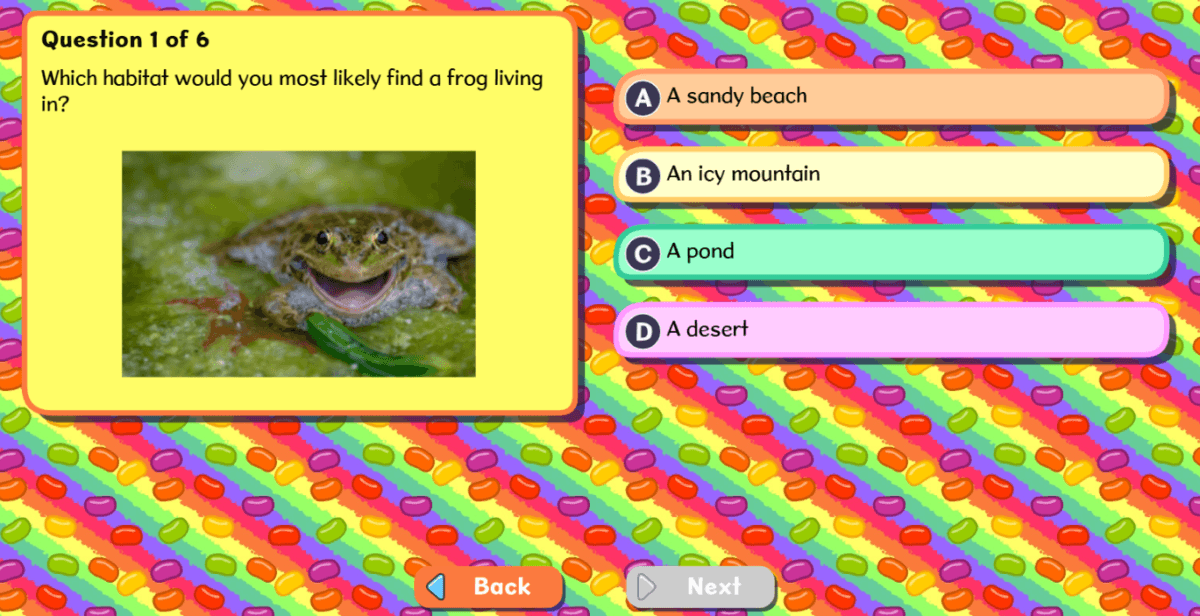
For example, after a science lesson on habitats, you could create a quiz about the needs of different animals. While pupils complete it independently, you could work with a small group on a related task.
Or, after exploring a story together, you could set a writing project asking pupils to describe a character, write an alternative ending or explain what happens next.
The automatically marked quizzes are particularly helpful here. Pupils can complete their practice without creating a pile of marking for you afterwards, freeing up more time for targeted teaching and support.
Try it: Keep a small collection of short quizzes and writing projects linked to current class topics, ready for moments when pupils need purposeful independent practice.
5. Bring seasonal and topical learning into the classroom
Seasonal events and topical themes can be a great way to spark pupils’ interest, and the Activity Maker lets you create activities that connect with what’s happening in the classroom throughout the year.
For autumn, you could create a quiz about seasonal changes, trees or the weather. At Christmas, you might focus on winter traditions, seasonal vocabulary or a festive maths challenge.
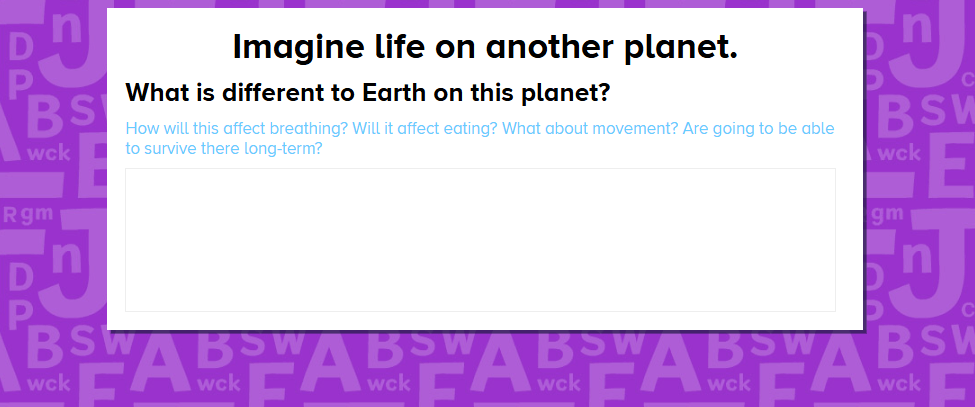
For a topic such as space, pupils could test their knowledge of the planets before using a writing project to imagine life on another planet (as right).
You can also use writing projects to build on topical discussions. Pupils might write a diary entry from the perspective of a historical character, describe an imaginary setting inspired by a story or explain what they have learned about an important event.
The benefit is that you can shape the activity around your learning objectives, making topical learning more than just a change of theme.
Try it: Choose an upcoming event or current class topic and create a quiz to recap key facts, followed by a writing project that lets pupils explore their ideas in more depth.
Create activities that work for your class
The Activity Maker gives you a flexible way to create quizzes and writing projects around the learning taking place in your classroom. Use quizzes to practise key knowledge, check understanding and provide independent revision, or create writing projects that help pupils develop and express their ideas.
And with quizzes marked automatically, you can spend less time checking answers and more time using what you know about your pupils to guide their learning.
Ready to give it a try? Head to the Welcome page in Busy Things and explore the Activity Maker from the feature bar just below your school’s name. For information on how it works, click here.
Not got a login yet? Getting one is easy – simply take a no-obligation free trial and we’ll send you one so you can look around for a full 28 days.