World Book Day as part of the National Year of Reading
As with the National Year of Reading more broadly, the focus of the day has to be fun. Because when children enjoy reading in the moment, they are far more likely to do it again. The instant reward of finding another world or discovering previously unknown facts motivates them to read – and it’s that feeling that will inspire them to continue reading long after the day itself.
In this blog post, we explore what you might want to consider when planning World Book Day 2026. There is no single right way to do this. Every school is different, shaped by the needs of its pupils and community, its strengths and challenges, and the expectations that surround the day.
What have you learnt from previous years?
As you start planning World Book Day 2026, it is worth looking back first.
Which activities worked particularly well last year? Which were less successful? Was dressing up enjoyable for children but stressful for families? Did everyone feel able to take part? Most importantly, did the excitement about reading last beyond the day itself?
The more feedback you can gather from pupils, parents and staff, the clearer your starting point will be.
What are you trying to achieve and how?
Next, it is important to think carefully about what you want your World Book Day 2026 celebrations to achieve. Are you looking at just the day itself, the book redemption period (12th February – 15th March) or a longer time frame than that?
World Book Day already comes with a lot of built-in excitement and often has a certain momentum of its own. You may choose to lean into familiar expectations or decide to shift them slightly to better reflect your pupils’ needs.
Fun should always be the priority, but it is also worth considering the specific barriers to reading within your school. Planning with these in mind will help ensure what you put in place works well for your pupils and has maximum relevance.
This will look different in every school, but below are some common barriers, alongside possible objectives and activities:-
Linking barriers to objectives and activities
1) Reading is seen as boring
Objective: Show that reading can be fun
Potential activities:
• Dressing up across the whole school community, including pupils, teachers and support staff. (Check out our blog posts for practical and inexpensive ideas. Simply head to the blog and search for ‘World Book Day Costume’
• Making the most of external reading resources
2) Lack of quiet space at home
Objective: Provide access to calm, comfortable reading spaces
Potential activities:
• Creating a cosy book nook that children and parents can visit, either on the day or longer term
3) Lack of reading role models
Objective: Show that everyone reads
Potential activities:
• Displays of staff favourite childhood books or family reads
• Badges showing what teachers and staff are reading now
4) Limited opportunities to be read to at home
Objective: Increase access to shared reading experiences
Potential activities:
• A read-aloud evening or after-school book club
5) Uninspiring reading choices
Objective: Broaden pupils’ exposure to different books
Potential activities:
• Allowing greater pupil choice over what they read
• Providing CPD to support teachers’ knowledge of a wider range of texts
6) Low levels of book ownership
Objective: Improve voucher redemption rates
Potential activities:
• Placing a clear focus on free books during the redemption period
If something worked well in the past but no longer fully supports your aims this year, a compromise may be helpful. For example, you could dress a clothes peg up as a character rather than the children themselves, or create simple costumes or character props during school time, so retaining an element fun but minimising the pressure on families.
Your plan for World Book Day 2026
Planning with these questions in mind should help you shape activities around your school’s priorities and challenges. You’ll be able to build on previous successes and refine elements where needed.
How can Busy Things support your World Book Day2026?
Busy Things offers a wide range of reading and story-related content which can support World Book Day activities for all your year groups.
Early Years
In the Early Years, reading is most effective when it is shared and positive.
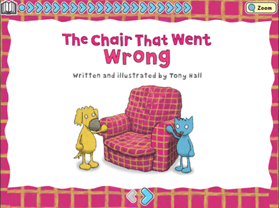
‘The Chair That Went Wrong’ is a short story that can be easily adapted into a sensory story, helping to support engagement and enjoyment for all children.
Key Stage 1
In Key Stage 1, encouraging children to choose their own reading material becomes increasingly important. Busy Things offers nearly 20 book extracts, allowing pupils to sample texts and get a feel for a story before committing to a full book.
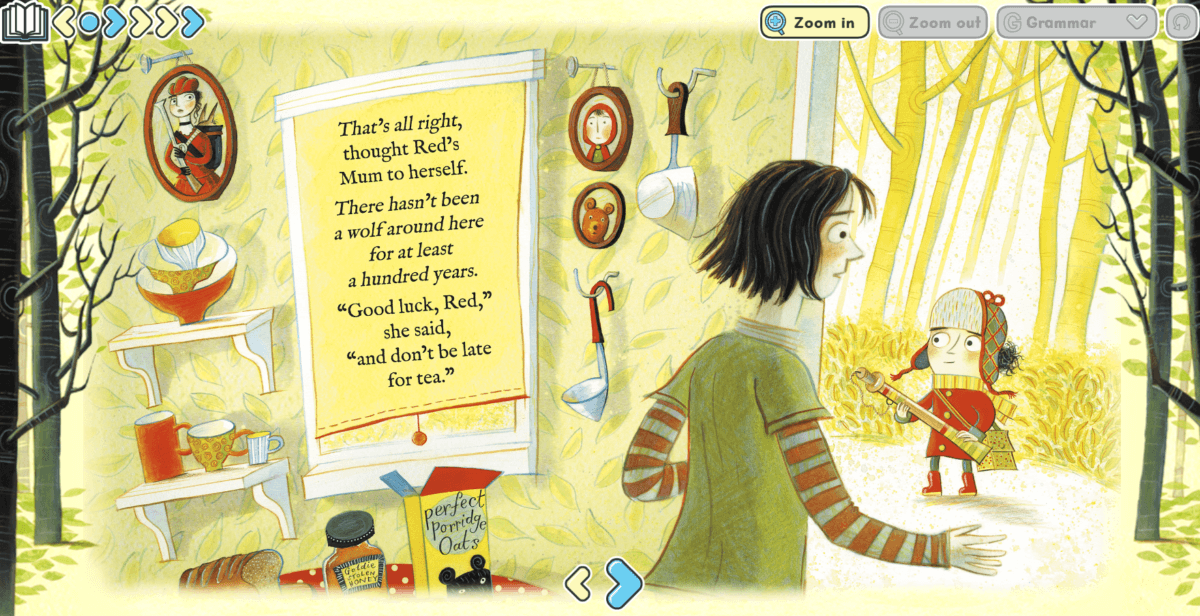
Titles range from Sarah McIntyre’s illustrated The New Neighbours through to Oliver Jeffers’ Here We Are and Mini Grey’s The Last Wolf.
Key Stage 2
By Key Stage 2, reading habits can be more established, so validating pupils’ choices becomes especially important. Graphic novels can be particularly effective for engaging reluctant readers, and leaning into the visual element can make a real difference.
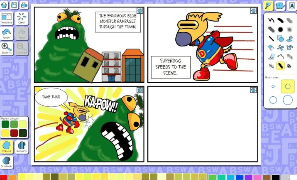
Our ‘Comic Strip’ activity encourages pupils to distil a story into its key scenes.
It includes several templates, with between 3 and 9 panels.
Conclusion
World Book Day can be so much more than a day to dress up as a book character. With thoughtful planning, it can become a meaningful stepping stone towards stronger, more confident reading habits.
We hope this blog has given you some fresh, practical ideas to help make World Book Day 2026 as effective and enjoyable as possible in your setting.
As part of the blog, we’ve given you access for free to our book extract from Mini Grey’s ‘The Last Wolf’ until the end of World Book Day. To access the other activities mentioned, please feel free to take a free trial. This will provide you with a login that will provide access to the whole of the award-winning Busy Things platform for 28 days.