How to help your pupils make the most of their summer holiday
The summer holidays offer a much-needed break from the everyday routine of school. A chance to lie in, relax and unwind, spend time with friends and do lots of activities that there’s just not time for usually.
Without any planning at all, however, the six weeks that the children were so thrilled about at the outset can drag.
Pre-holiday planning
That’s where an element of structure comes in, so that the children can make the most of their six weeks and spend their precious time doing something that matters to them.
Making a list at the outset is a great idea and can be instigated by the school or parents at home. If it includes a mix of activities, all the better, then no matter the weather, no matter the budget available, there is always something on the list to do.
In this blog, we give a few examples of activities children could include, which fall into the following categories:
- Explore new places
- Learn a new skill (or develop an existing one)
- Spend time with family or a community group
- Help someone
- Get involved in sport or fitness
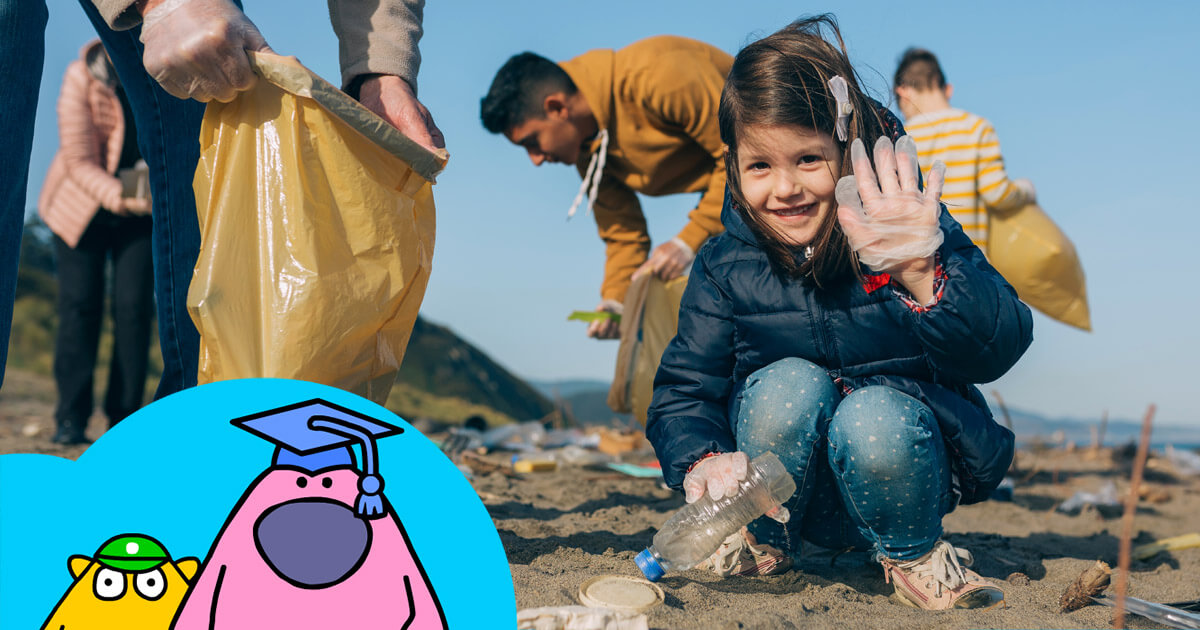
- Spend time outdoors
- Challenge yourself
For each category, we outline a few ideas, but the value of the exercise really comes when the child thinks of something unique to them. That way, their lists are tailored to their own likes and dislikes – and when their parents ask them what they’d like to do, they have a whole raft of suggestions to work with. Not every child will manage everything on their list, but even completing a few activities can make for a meaningful summer.
So, that said, let’s start …
Explore new places
If children go somewhere new, it opens their eyes and minds up to new experiences. They see things that their own towns and communities don’t have and understand how other people spend their time.
Holidays are great for this, be they staycations or abroad, but just travelling to a different part of their city/county could be just as insightful, especially if they travel via a different method of transport to their norm.
Learn a new skill (or develop an existing one)
Children learn a lot in school but there’s not enough time to cover everything. If there was something a child particularly enjoyed this year, perhaps they could carry it on over the summer holidays. They could spend time cooking, drawing, dancing or sewing, learn more about photography or start a new sport.

For a couple of quick and easy recipes, some sporting ideas and a little drawing inspiration, check out our Summer Pack!
Spend time with family or a community group
Spending time with family and friends, especially those you don’t get to see often during term time, is great for making memories. And spending time with people that live near you is a great way to make friends.
Getting out and about on day trips with your family can be really fun, as is spending time at a holiday club or sports club. You’re doing something together and sharing great experiences.
Help someone
Research shows that being kind to people and offering them help in some way boosts our wellbeing, so helping others actually helps us too.
Anything counts, so it could be something as simple as helping Mum make dinner or visiting an elderly relative.

Get involved in sport or fitness
The NHS recommend that children aged 5-18 aim for an average of 60 minutes of moderate or vigorous intensity activity per day across the week.
Sport and physical activity don’t always need to mean organised clubs or structured training sessions. For many children, the most important thing is simply staying active in ways they enjoy. Whether that’s playing games in the park, going for family walks, swimming, cycling or just spending time moving outdoors with friends, it all helps build energy, confidence and wellbeing. The summer holidays are a great opportunity to try something new or rediscover an activity they already love, without the pressure of performance or competition.
Spend time outdoors
Being at home can be very comfortable and comforting. Everything is in easy reach and within your control. But getting out and about brings so many bonuses, including fresh air and the opportunity to meet new people, learn new skills and connect with nature.

Why not discover more about your surroundings by completing our scavenger hunt? Check it out in our Summer Pack!
Take on a challenge
Our last category takes the idea of comfort one step further and asks the children to set themselves one challenge to complete over their holiday.
Big or small, it doesn’t matter, so long as it has meaning to the child. It could be holding a spider for the first time if they’re scared of spiders, trying a high ropes course if they worry about heights or simply making their first cake if they’ve never cooked before.
Are your children more concerned with quantity rather than quality? Then the summer challenge in our Summer Pack may appeal. It includes 24 different activities to complete. Do you think they can complete them all?
When creating the list, it’s important that the children’s expectations aren’t raised too high. They won’t be able to do everything on it, as budget, siblings and the amount of parental time available, all come into play. It will, however, give the parents an idea of what’s important to their child, so that they can try and organise the time and money available around certain key activities.
So what about screen time?
During the summer holidays, screen time naturally becomes part of children’s daily routine as usual structures fall away. While there’s nothing inherently wrong with this, the content children engage with can vary widely, and not all of it reinforces key skills they’ve developed during the school year.
Alongside rest and relaxation, it can be helpful to encourage a balance that includes more purposeful digital activities. These provide opportunities to revisit familiar learning in a low-pressure, engaging way, helping children stay confident with key concepts without it feeling like homework.
Busy Things’ Home Access offers exactly this kind of experience, giving pupils access to fun, interactive activities they already know from the classroom. It’s a simple way to keep learning gently ticking over during the holidays, so they hit the ground running when they return to school.
If you think your pupils could benefit, we’d be delighted to help by adding Home Access to your school’s existing Busy Things’ subscription. Contact us for a price or to add it to your existing subscription.
If you think your pupils may be in danger of the ‘brain drain’ phenomenon, we’d be delighted to help by adding Home Access to your existing Busy Things’ subscription. Contact us for costs.
Similarly, if you don’t currently subscribe to Busy Things, now could be a good time to take out a 28-day free trial and the activities for yourself. There is still time to trial and subscribe before the summer holidays, and if you subscribe before 24th July, you’ll get Home Access free for your pupils for the summer!
If you’re preparing transition packs for your new Reception intake, we also have two FREE resources to share with families this summer: a printable Starting School Activity Pack and free online activities for children starting school in September. They’re designed to help children build confidence with key school-readiness skills before their first day.
Last but not least, if you’re a parent wanting your child to enjoy Busy Things over the summer, the Family subscription is a great option. Take a trial here!
All that leads us to do is to wish you well with your summer holiday planning and hope you have restful, peaceful summer holidays! Enjoy!
This blog was reviewed and updated in June 2026.